READ Project Reaches Major Milestone in Advancing Renewable Energy Education and Green Skills Across Africa
Project Management Committee endorses key academic programmes, research initiatives, and capacity-building activities to accelerate renewable energy education in Sub-Saharan Africa.
As Africa accelerates its transition toward a low-carbon and climate-resilient future, one challenge remains clear: the continent needs a workforce equipped with the knowledge and skills to design, deploy, and manage renewable energy systems. Addressing this challenge requires not only investment in technology but also stronger higher education, research, and international academic collaboration.
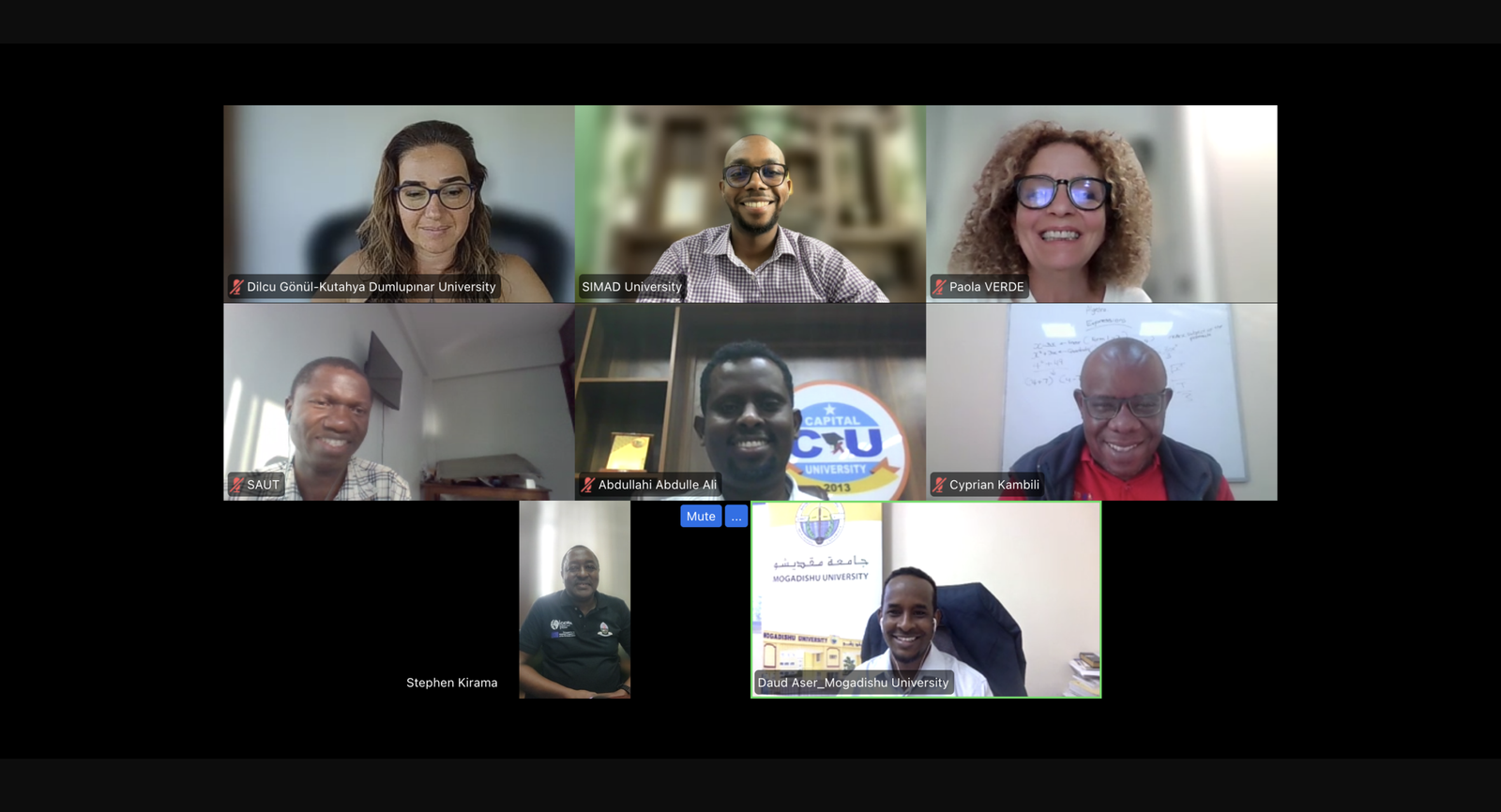
Against this backdrop, the consortium of the Renewable Energy Advancement for Inclusive Development in Sub-Saharan Africa (READ) Project successfully convened its Second Project Management Committee (PMC) Meeting on 13 July 2026, bringing together project coordinators and representatives from all partner universities to review implementation progress and coordinate the next phase of project activities.
The meeting was chaired by Mohamed Okash Sugow (SIMAD University, Project Coordinator) and attended by Dr. Dilcu Gönül-Kutahya (Dumlupınar University, Türkiye), Prof. Paola Verde (University of Cassino and Southern Lazio, Italy), Dr. Daud (Mogadishu University, Somalia), Dr. Abdalla A. Ali (Capital University of Somalia), Dr. Stephen (University of Dar es Salaam, Tanzania), Dr. Cyprian Kambili (University of Malawi), together with representatives from St. Augustine University of Tanzania (SAUT) and the wider consortium.
The READ Project is co-funded by the European Union through the Erasmus+ Capacity Building in Higher Education (CBHE) Programme and brings together universities from Africa and Europe to strengthen renewable energy education, research, innovation, and institutional capacity while preparing the next generation of professionals to support Africa’s clean energy transition.
Advancing Renewable Energy Education
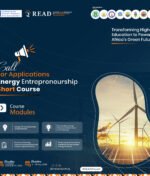
One of the meeting’s major outcomes was the endorsement of the Renewable Energy Technologies and Systems Course Framework, a collaboratively developed curriculum designed to strengthen renewable energy education across partner universities. The framework equips students with practical and multidisciplinary knowledge in renewable energy technologies, energy systems, digitalisation, sustainability, entrepreneurship, and energy policy. Consortium partners also confirmed their commitment to completing institutional approval processes to enable the introduction of the course within their respective universities.
Preparing Future Renewable Energy Educators
Recognising that high-quality curricula require well-prepared educators, the consortium endorsed the Training of Trainers (ToT) Programme, scheduled to take place in Türkiye in September 2026. The programme will strengthen the pedagogical and technical capacity of academic staff through practical training, innovative teaching methodologies, and collaborative learning, ensuring consistent and effective delivery of the new curriculum across partner institutions.
Strengthening Research and Knowledge Exchange
The consortium also endorsed the implementation approach for the Research Training Programme, which will be hosted by the University of Cassino and Southern Lazio (UNICAS), Italy, from 12–16 October 2026. The programme will focus on research skills development, thematic research groups, collaborative scientific writing, and policy-oriented knowledge production. Expected outputs include peer-reviewed journal publications and policy briefs addressing renewable energy challenges and opportunities across Sub-Saharan Africa.
Selected research outputs will also be prepared for presentation at the Renewable Energy Conference in Tanzania in February 2027, further strengthening regional collaboration and knowledge exchange.
Strengthening Project Quality and Visibility
The meeting also reviewed preparations for upcoming Quality Assurance activities and endorsed the implementation of the project’s Dissemination, Exploitation and Sustainability Plan (DESP). Planned activities include international webinars, consortium podcasts, and coordinated communication campaigns designed to increase the visibility of the project, promote knowledge sharing, and engage universities, policymakers, industry, and development partners throughout the project’s implementation.
Reflecting on the meeting, Mohamed Okash Sugow, Project Coordinator of the READ Project, said:
“The READ Project is moving from planning to implementation. Through international collaboration, we are strengthening renewable energy education, building research capacity, and equipping the next generation with the green skills needed to accelerate Africa’s clean energy transition.”
Looking Ahead
With the successful conclusion of its second Project Management Committee Meeting, the READ Project enters a critical implementation phase. Over the coming months, consortium partners will finalize course materials, complete institutional approvals, deliver the Training of Trainers programme in Türkiye, implement the Research Training Programme in Italy, and prepare for the rollout of renewable energy education across participating African universities.By strengthening higher education, fostering collaborative research, and developing future-ready green skills, the READ Project is helping build the human capital needed to support a more sustainable, resilient, and inclusive energy future for Africa.
About the READ Project
The Renewable Energy Advancement for Inclusive Development in Sub-Saharan Africa (READ) Project is co-funded by the European Union through the Erasmus+ Capacity Building in Higher Education (CBHE) Programme. The project brings together higher education institutions from Somalia, Tanzania, Malawi, Türkiye, and Italy to strengthen renewable energy education, research, innovation, and institutional collaboration while preparing a skilled workforce to support Africa’s energy transition and sustainable development.