READ Project Coordinator Mohamed Okash Contributes to Renewable Energy Panel at EU–Somalia Business Forum 2026
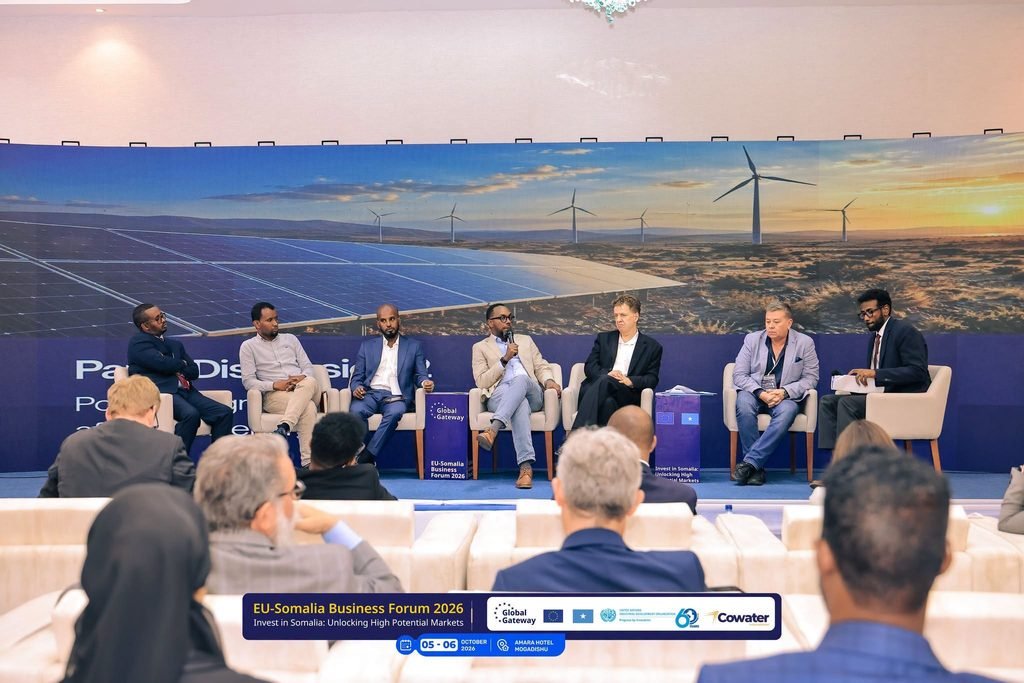
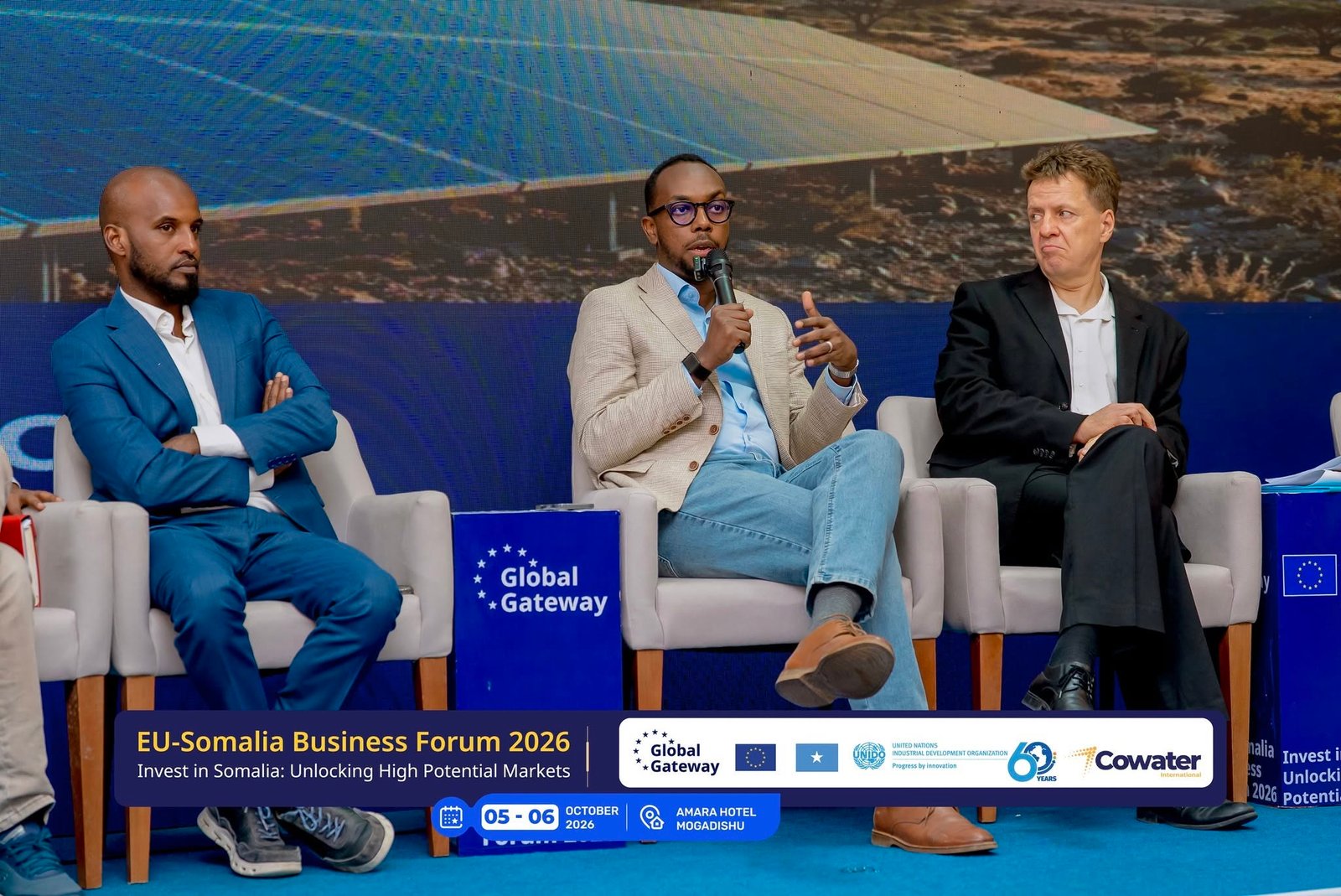
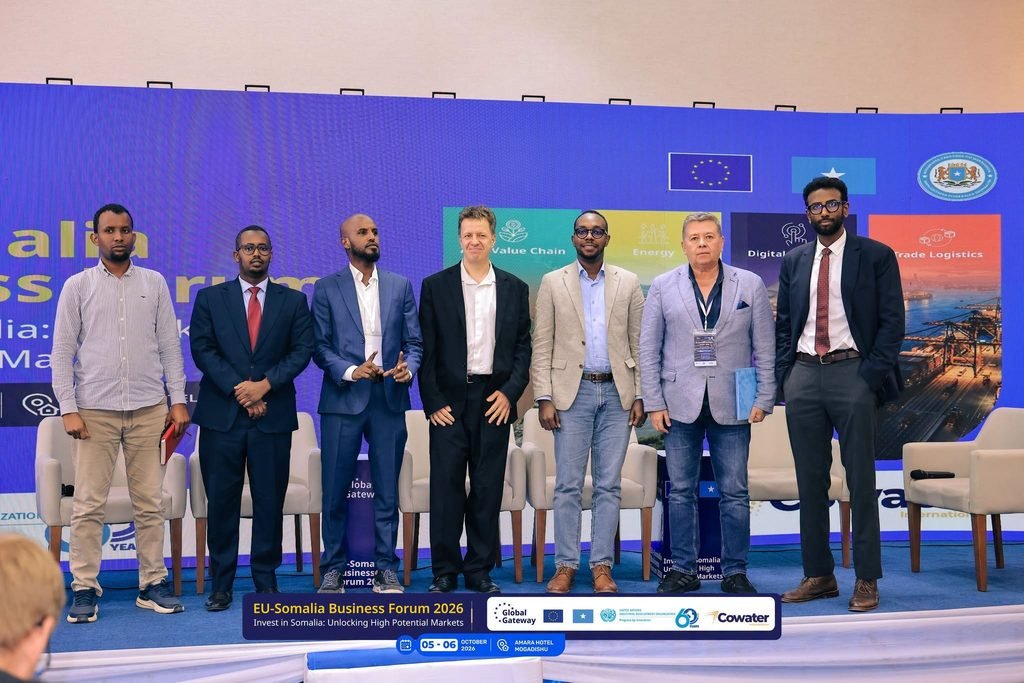
Mogadishu, Somalia | 5–6 October 2026: Mohamed Okash, Coordinator of the READ Project, participated as a panelist at the EU–Somalia Business Forum 2026, contributing to the panel discussion “Powering Growth with Sustainable and Affordable Energy.”
During the discussion, Okash highlighted three interconnected priorities for advancing Somalia’s renewable energy sector: human capital development, technology and knowledge transfer, and investment readiness.
His contribution closely reflected the objectives of the READ Project: Renewable Energy Advancement for Inclusive Development in Sub-Saharan Africa, which is working to strengthen higher education capacity, modernize renewable energy curricula, develop relevant skills, and promote entrepreneurship in the renewable energy sector.
Somalia’s Renewable Energy Potential
Okash highlighted the contrast between Somalia’s current energy challenges and its considerable renewable energy potential.
Somalia’s energy sector remains expensive and fragmented, with particularly significant access challenges in rural communities. The absence of a national grid, dependence on fossil fuels and exposure to recurring climate shocks further reinforce the need for cleaner, more affordable and resilient energy solutions. Somalia_Renewable_Energy_Panel_…
At the same time, the country has significant renewable resources. Somalia receives approximately six to seven hours of solar irradiation per day, with sunlight for close to 300 days each year, while wind also represents an important potential source of renewable energy.
Growing population and urbanisation are also increasing demand for energy, strengthening the case for greater investment in renewable energy technologies and infrastructure.
Building the Skills for Somalia’s Energy Transition
A central message from Okash’s contribution was that Somalia’s energy transition cannot be achieved through infrastructure and technology alone. It also requires investment in people and skills.
He emphasized the need for expertise across the energy value chain, including energy production, distribution, transmission, productive use and regulation.
This means developing not only technical specialists, but a multidisciplinary workforce that includes:
- Engineers capable of designing, developing and managing renewable energy systems;
- Financiers and investment professionals who understand renewable energy projects and financing;
- Regulators capable of supporting an effective and enabling energy sector; and
- Entrepreneurs who can transform renewable energy opportunities into viable businesses and employment.
Okash also emphasized that universities cannot address these skills requirements alone. TVET institutions, vocational training providers, government, the private sector and international partners all have important roles in building the workforce required for a sustainable energy transition.
Three Priorities for Stronger Somalia–EU Cooperation
During the panel, Okash identified three areas where stronger cooperation between Somalia and the European Union could have significant impact.
1. Investment Readiness
Somalia needs to strengthen the conditions required to attract sustainable renewable energy investment. This includes improving the regulatory and business environment and developing bankable projects across the energy value chain that can translate identified energy needs into viable investment opportunities.
2. Technology and Knowledge Transfer
The second priority is strengthening technology and knowledge transfer. Cooperation with European institutions can support access to renewable energy expertise and technologies, including in solar and wind energy. Partnerships between higher education institutions can also provide an important mechanism for transferring knowledge, strengthening teaching and research capacity, and exposing students and professionals to international practices.
3. Human Capital Development
The third priority is sustained investment in human capital. Somalia needs engineers, financiers, regulators and entrepreneurs equipped with qualifications and competencies that respond to both national needs and international standards.
Okash emphasized that building this capacity locally is essential for a sector that will play an increasingly important role in Somalia’s socio-economic transformation.
Connecting the Discussion to the READ Project
The panel discussion directly connects with the work being advanced through the READ Project.
READ recognizes that Africa’s renewable energy transition requires not only technology and infrastructure, but also universities capable of preparing graduates with the knowledge, technical skills and entrepreneurial competencies required by the sector.
Through cooperation between European and Sub-Saharan African higher education institutions, READ is supporting the development and modernization of renewable energy education, strengthening institutional and teaching capacity, and promoting energy entrepreneurship.
The project is also helping bridge the relationship between higher education and the practical needs of the renewable energy sector, ensuring that curriculum development and capacity building respond more closely to emerging labour-market, technological and entrepreneurial opportunities.
Okash’s participation in the EU–Somalia Business Forum therefore provided an important opportunity to connect the READ Project’s work in education and capacity development with the wider policy, investment and private-sector discussion surrounding Somalia’s renewable energy transition.
From Renewable Energy Education to Sustainable Development
Somalia has significant solar and wind resources, but renewable energy potential alone will not deliver an energy transition.
The country needs the skills to develop and manage energy systems, technologies appropriate to its context, entrepreneurs capable of creating new solutions and businesses, and an investment environment capable of mobilizing capital.
These priorities reinforce the broader approach of the READ Project: strengthening the connection between higher education, renewable energy skills, entrepreneurship and sustainable development.
As emphasized during the panel, investment readiness, technology transfer and human capital development provide three complementary foundations through which stronger Somalia–EU cooperation can help translate renewable energy potential into affordable energy, economic opportunity and long-term sustainable development