READ Training of Trainers Programme Strengthens Renewable Energy Education and Entrepreneurship Capacity in Sub-Saharan Africa
READ Training of Trainers Programme Strengthens Renewable Energy Education and Entrepreneurship Capacity in Sub-Saharan Africa
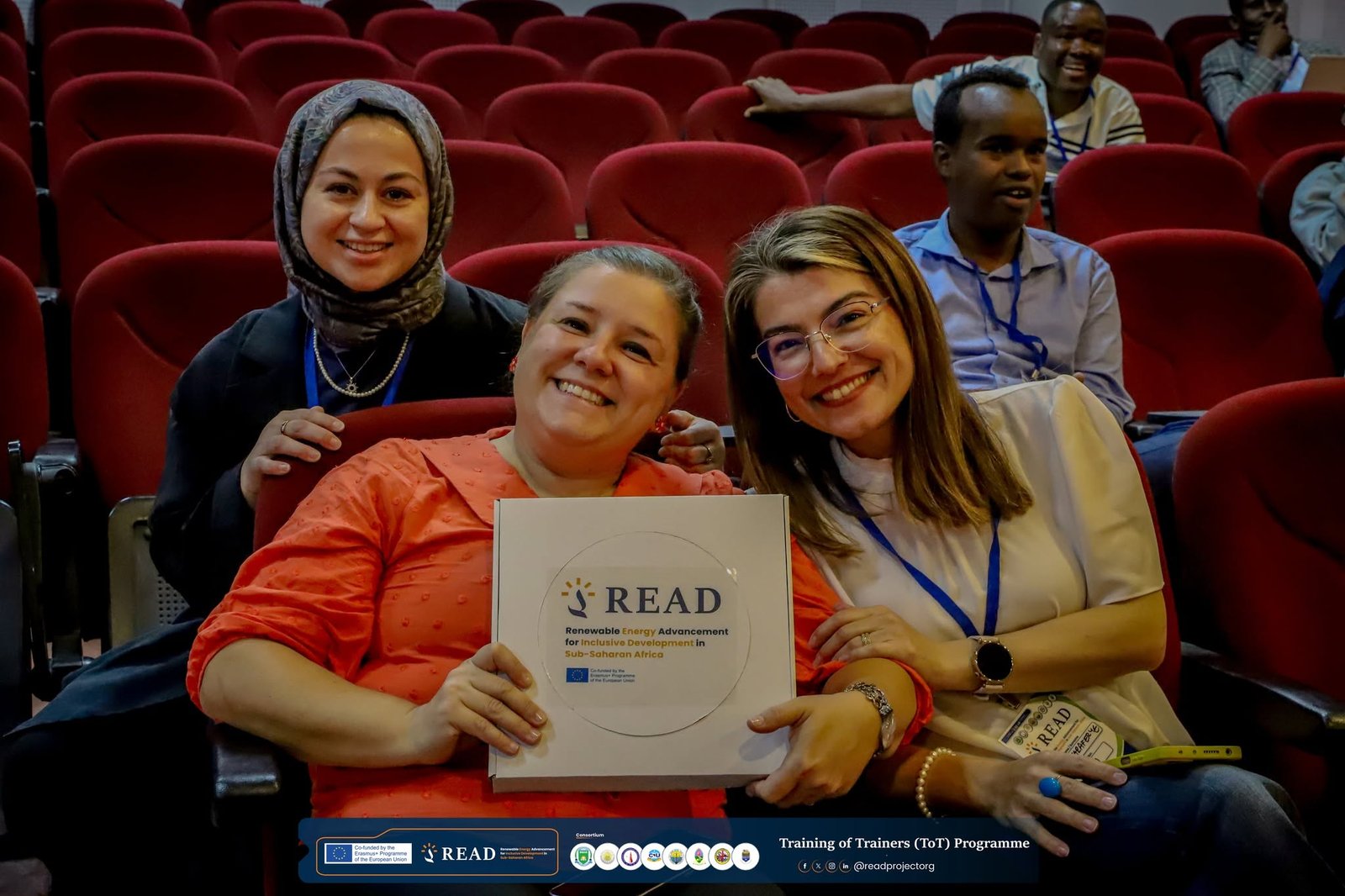
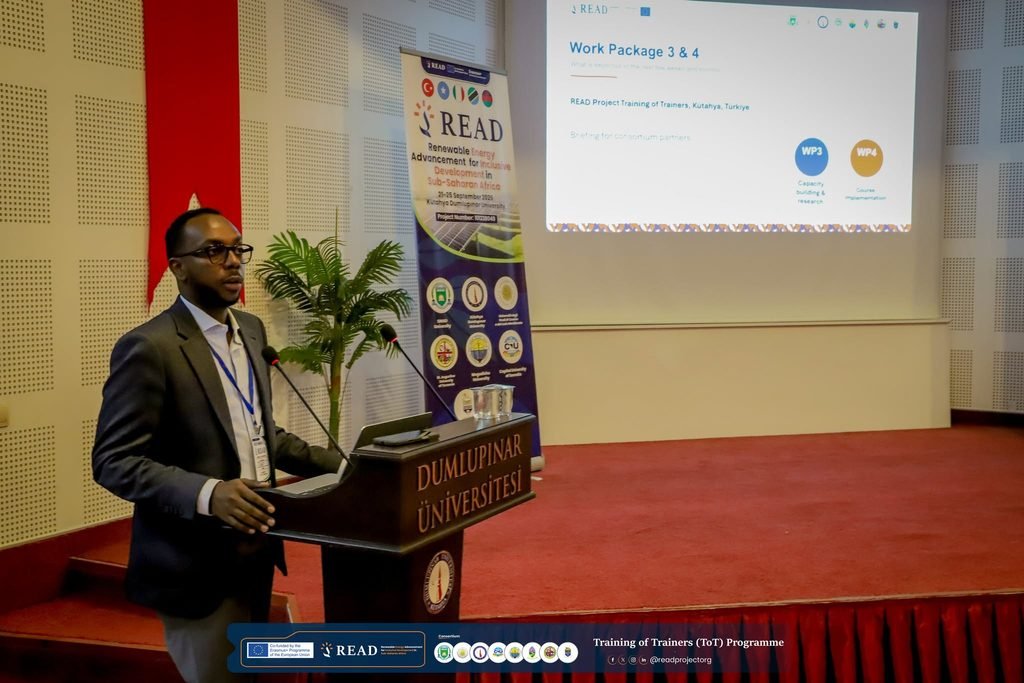
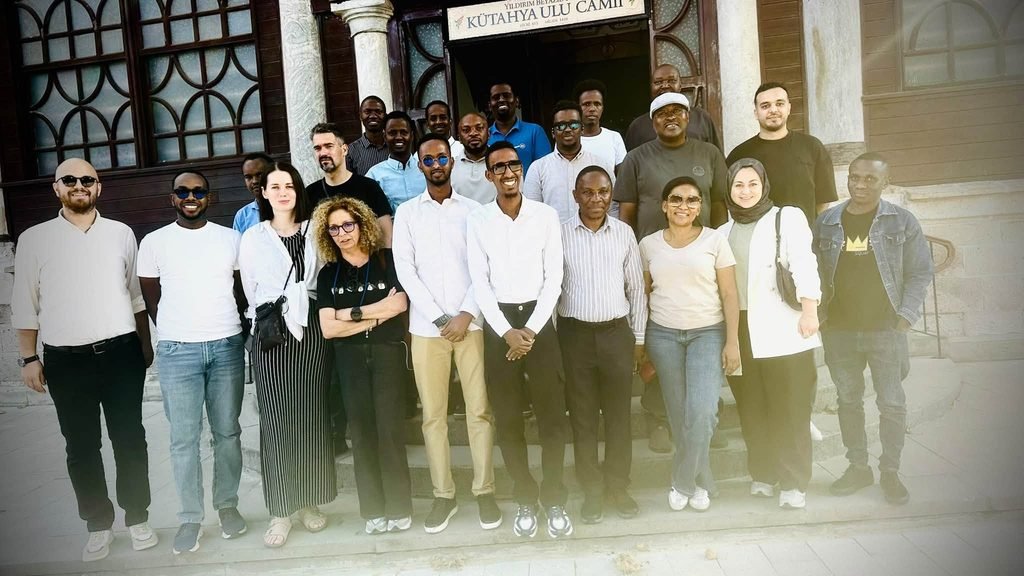
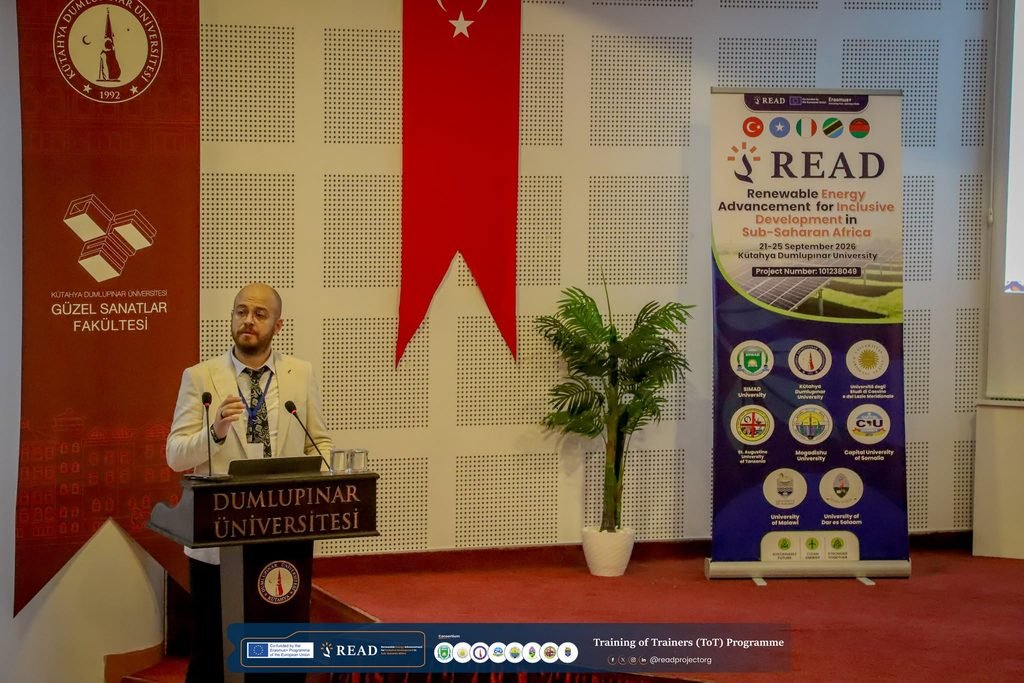
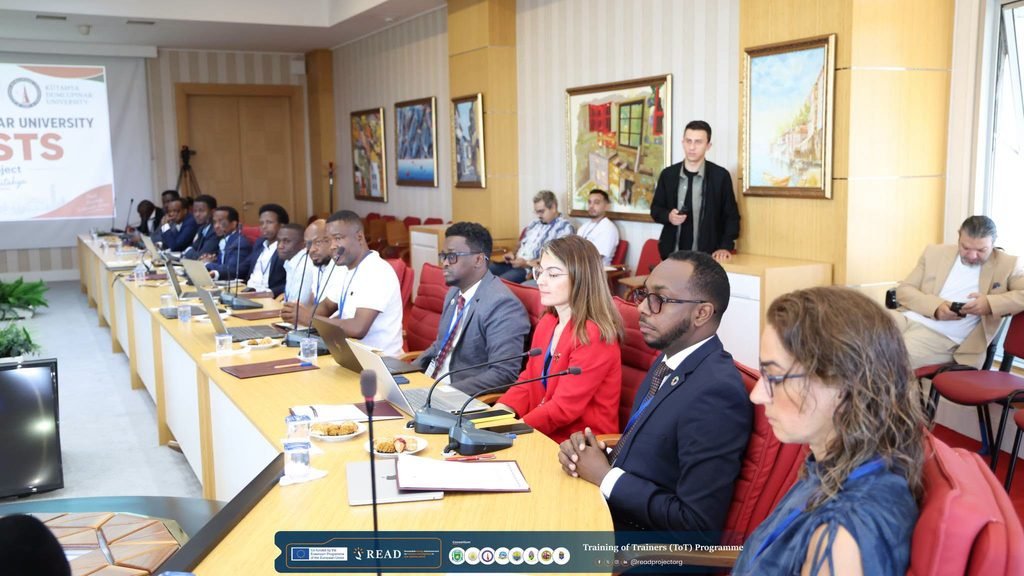
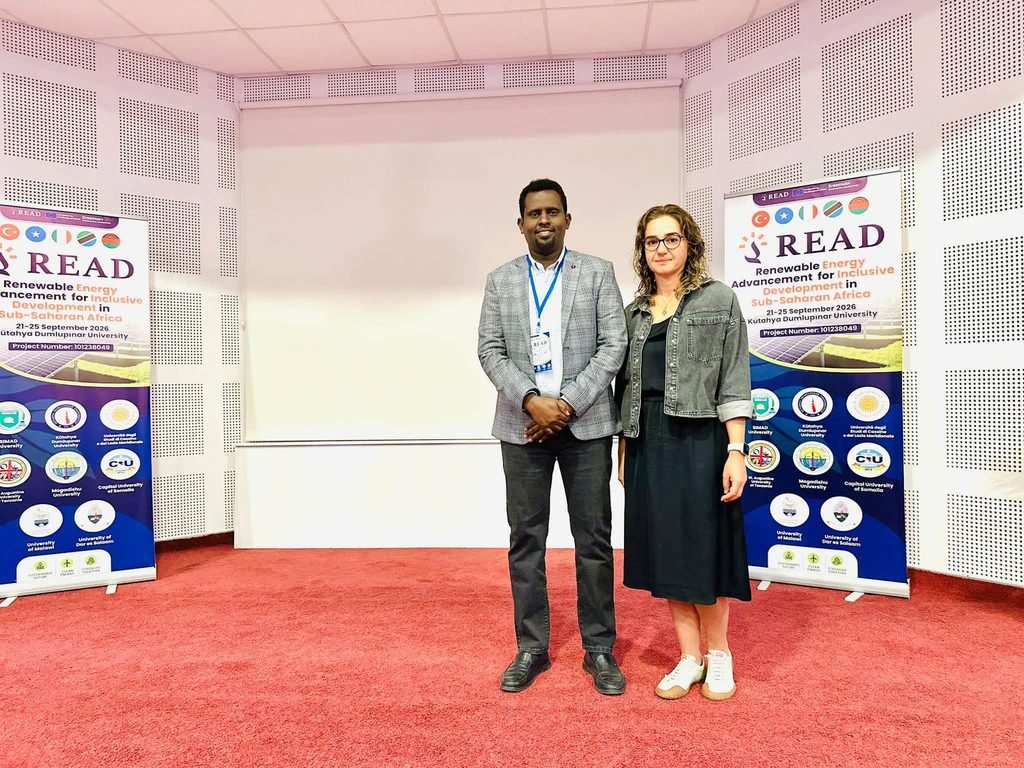
The Renewable Energy Advancement for Inclusive Development in Sub-Saharan Africa (READ) Project, an Erasmus+ Capacity Building in Higher Education initiative, successfully conducted its Training of Trainers (ToT) Programme from 21–25 September 2026 at Kütahya Dumlupınar University (DPU) in Kütahya, Türkiye.
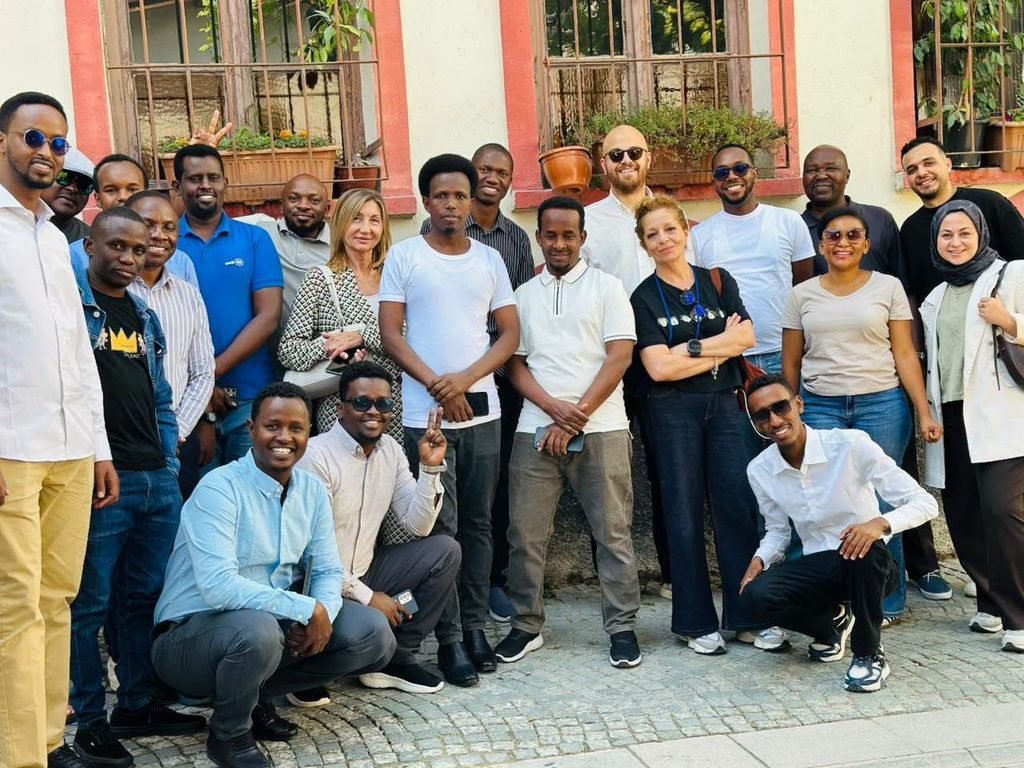
The five-day programme brought together academic and project representatives from READ partner universities in Somalia, Tanzania, Malawi, Italy, and Türkiye, providing an important platform for strengthening teaching capacity, exchanging knowledge, and preparing participating institutions for the delivery of the renewable energy curricula being developed under the READ Project.
Building Capacity for Renewable Energy Education
The ToT Programme was implemented under Work Package 2 – Renewable Energy Curriculum Development, specifically Task T2.5: Develop ToT Programme, and contributes to the preparation of university trainers who will deliver READ-developed renewable energy courses within participating institutions.
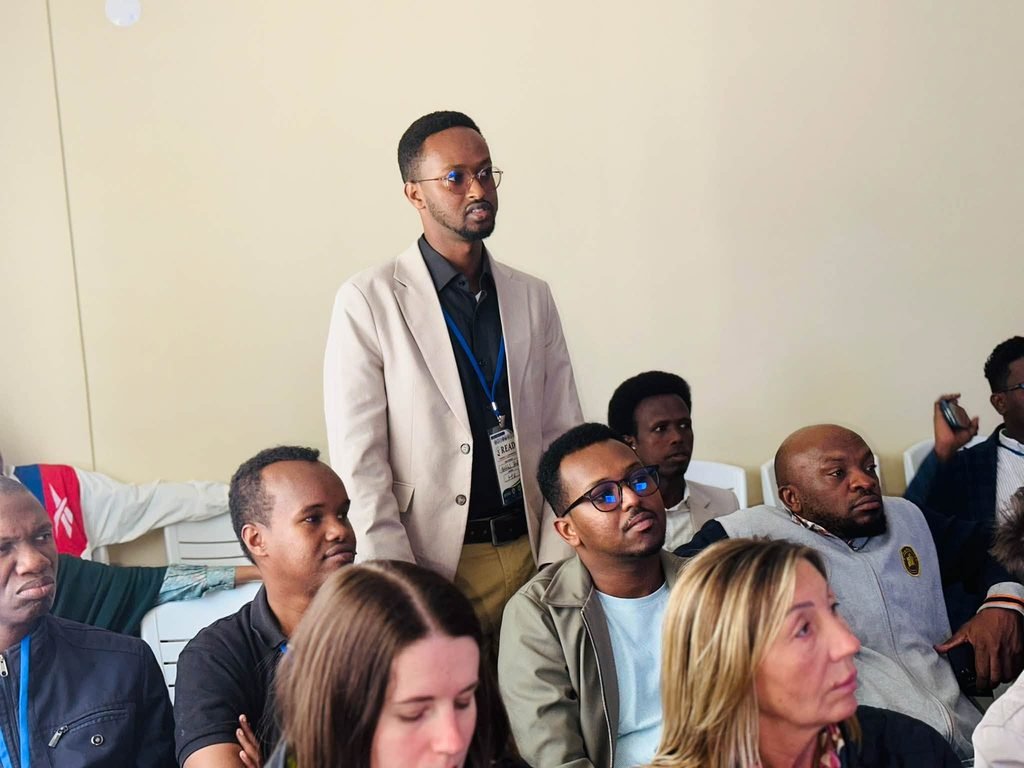
The programme combined pedagogical training, curriculum discussions, module demonstrations, digital teaching tools, assessment approaches, technical exposure, and institutional networking.
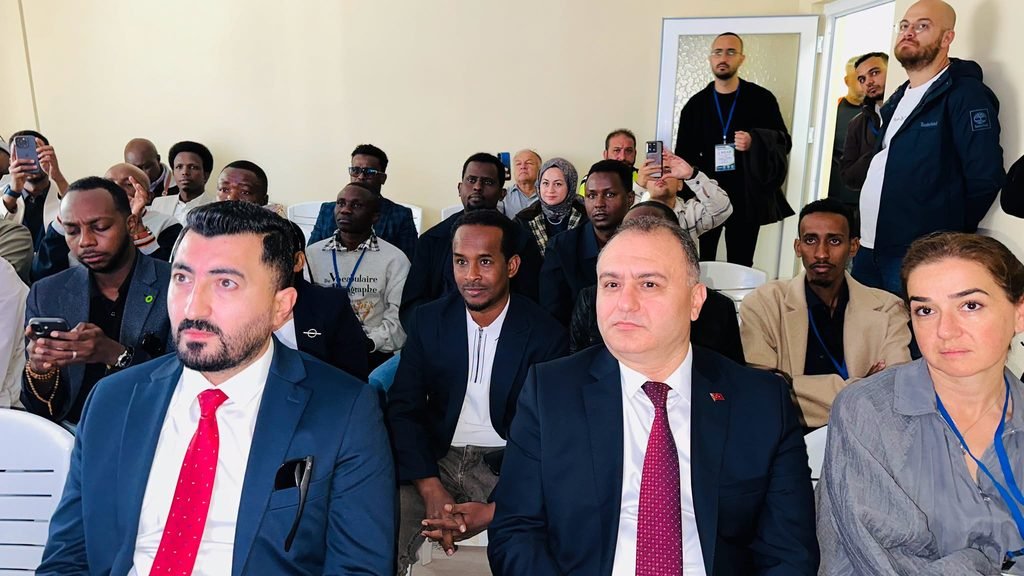
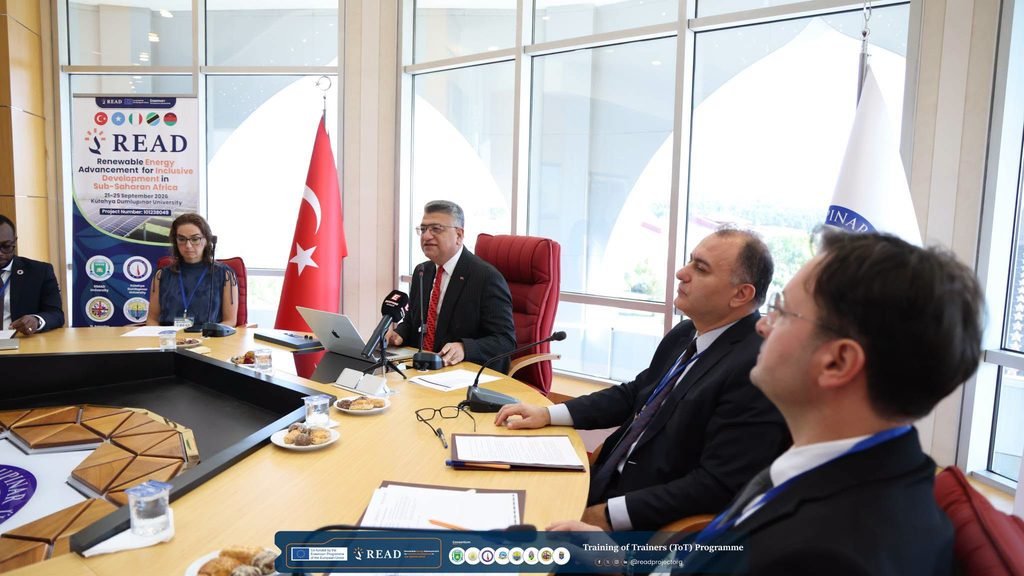
During the opening session, representatives of Kütahya Dumlupınar University welcomed participants and highlighted the importance of international academic cooperation in responding to emerging energy and sustainability challenges.
“Universities have an important responsibility to transform knowledge into solutions that contribute to sustainable development. Through partnerships such as READ, we strengthen not only academic cooperation but also our collective capacity to address the energy challenges facing our societies.”, Prof. Dr. Süleyman Kızıltoprak,DPU Rector
From Curriculum Development to Effective Teaching
A major focus of the programme was ensuring that the READ curricula are not only academically sound but also practical, learner-centred, and responsive to the realities of Sub-Saharan Africa.
Training sessions covered the Bologna Process and curriculum development, renewable energy course structure, classroom management, Web 2.0 and Web 3.0 tools, course planning, teaching methodologies, and course evaluation strategies.
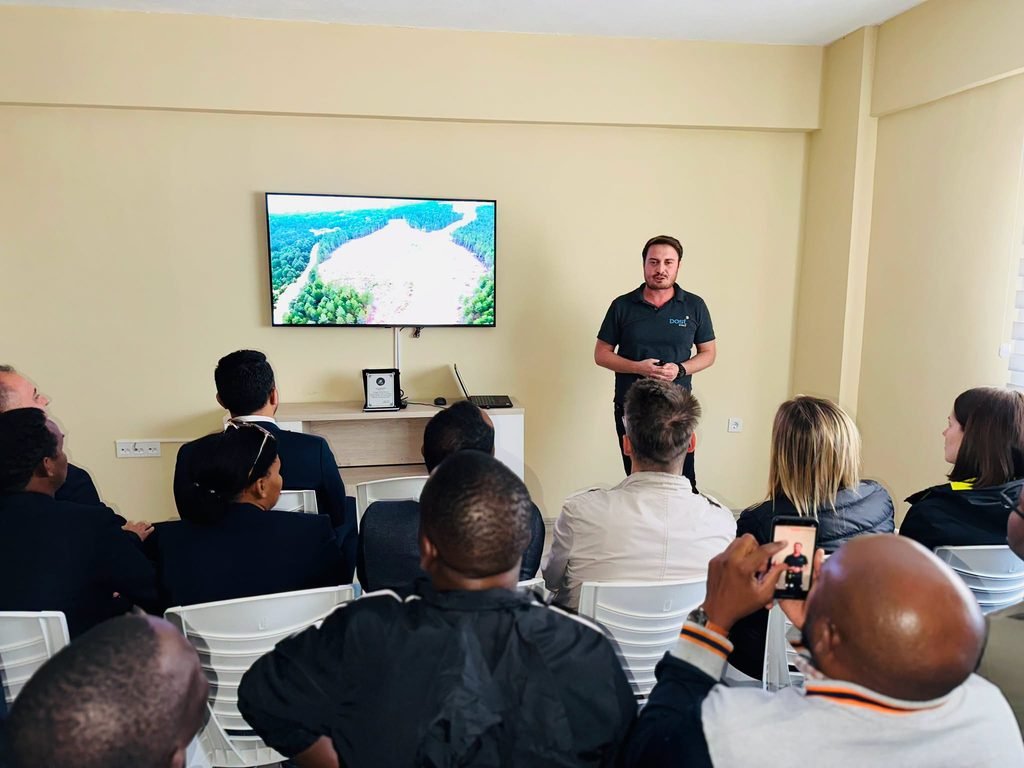
Participants also engaged in demonstrations of selected renewable energy modules, providing an opportunity to explore how the newly developed content can be translated into effective classroom and practical learning experiences.
The training particularly emphasized approaches suitable for different institutional and infrastructure environments, helping trainers consider how renewable energy education can remain accessible and effective even in settings with limited resources.
Connecting Training with Practice
Beyond classroom sessions, the ToT Programme incorporated practical and technical exposure.
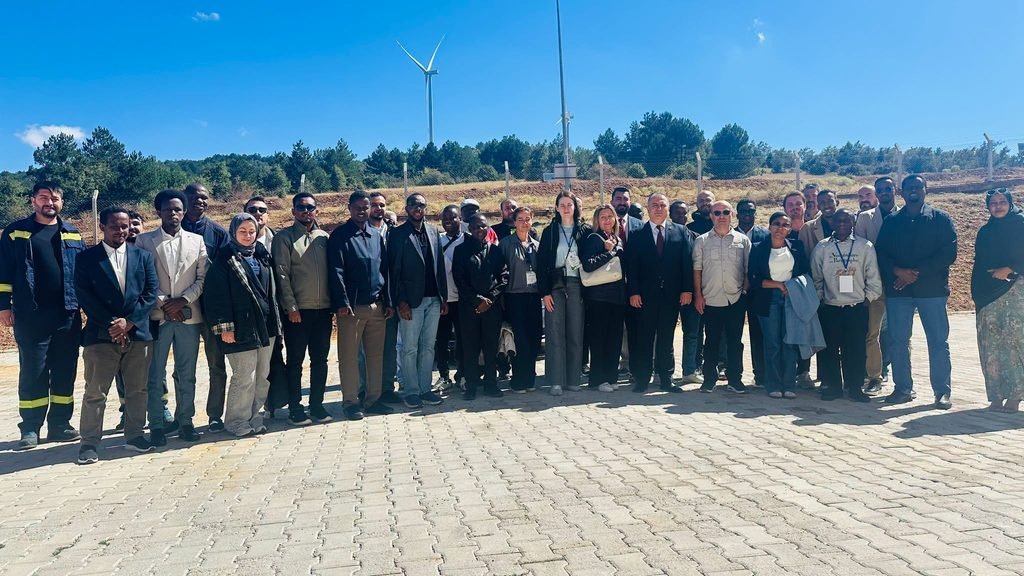
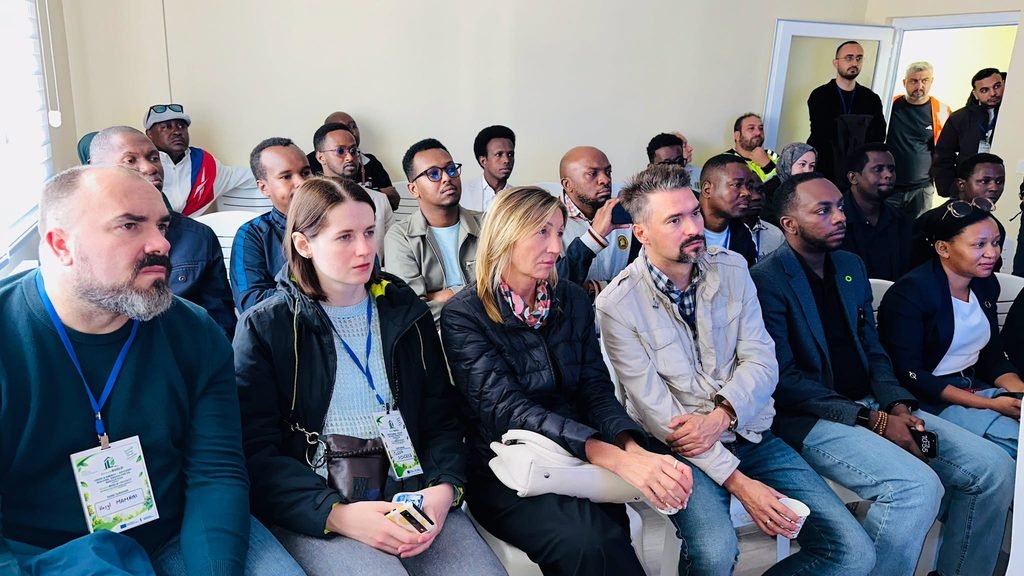
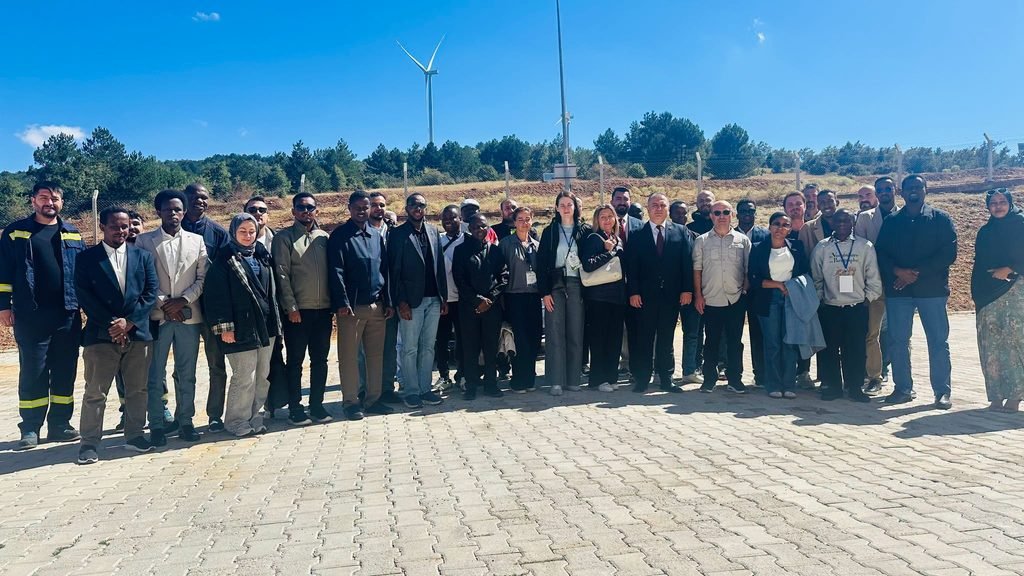
Participants undertook a technical visit to a renewable energy facility, where they observed energy generation operations, control systems, and technology applications and interacted with professionals working in the sector.
The visit provided an important connection between the theoretical content being developed through READ and the practical realities of renewable energy production and management.
Participants also visited DPU’s International Relations Office (ULMER) and Research and Application Centre (İLTEM), providing further opportunities to understand the University’s international cooperation, research infrastructure, and institutional capacity.
Strengthening Collaboration Across the READ Partnership
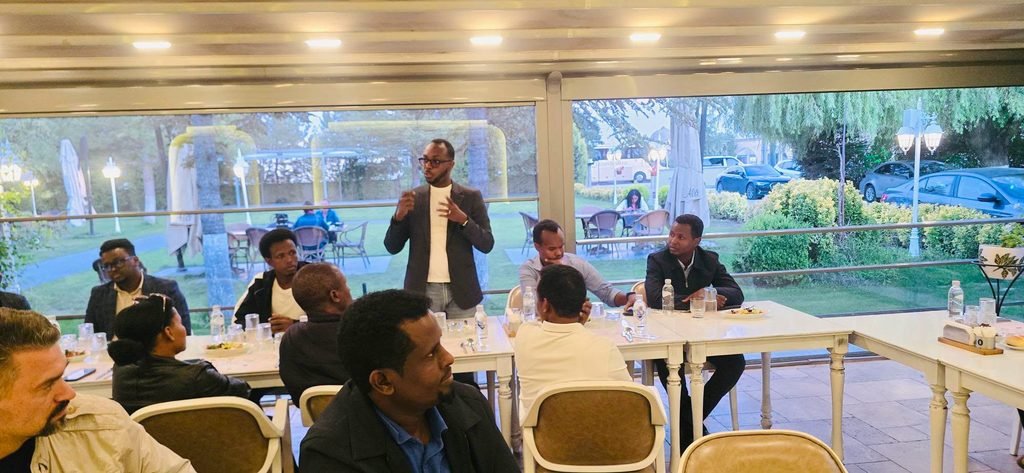
The programme also created space for discussions beyond formal training sessions. Representatives from participating universities explored opportunities for stronger institutional cooperation, research collaboration, Erasmus+ engagement, academic exchange, and student and staff mobility.
These interactions reflect the broader purpose of READ: building sustainable institutional capacity rather than limiting the project’s impact to individual training activities.
The READ Project Coordinator emphasized this longer-term perspective:
“The Training of Trainers is not the end of the process; it is the beginning of transferring the knowledge, curriculum, and skills developed through READ to our universities and communities. The real success of this programme will be measured by what our trainers take back, implement, and sustain within their institutions.”, Mohamed Okash, READ Project Coordinator
Cultural Exchange and Networking
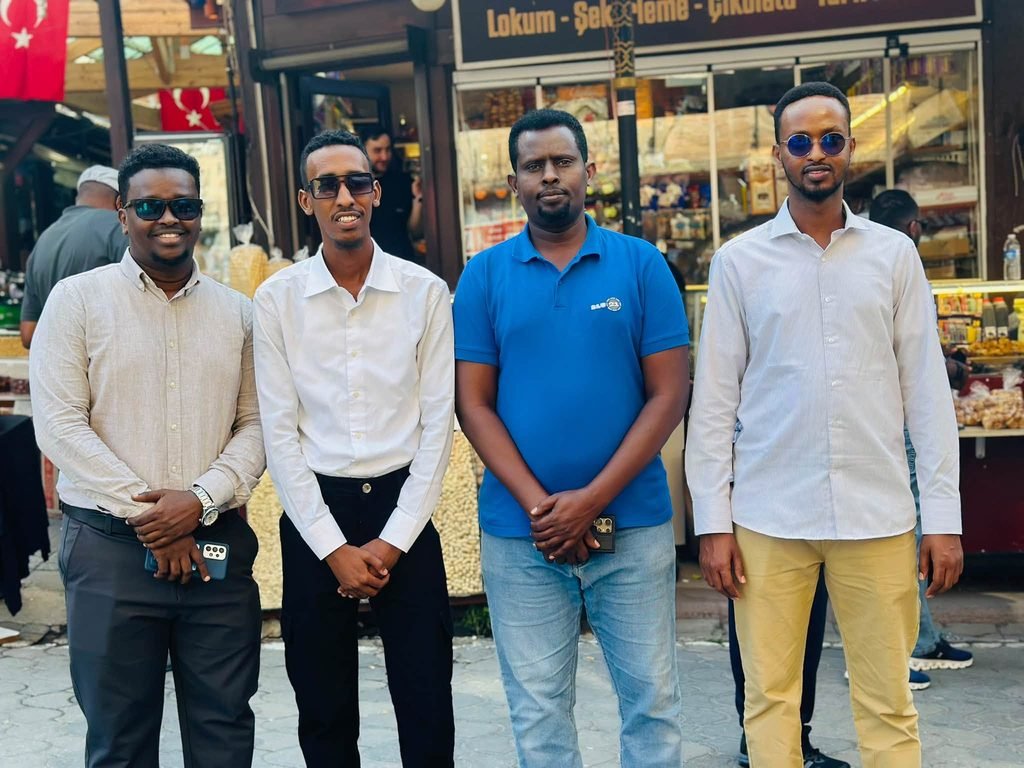
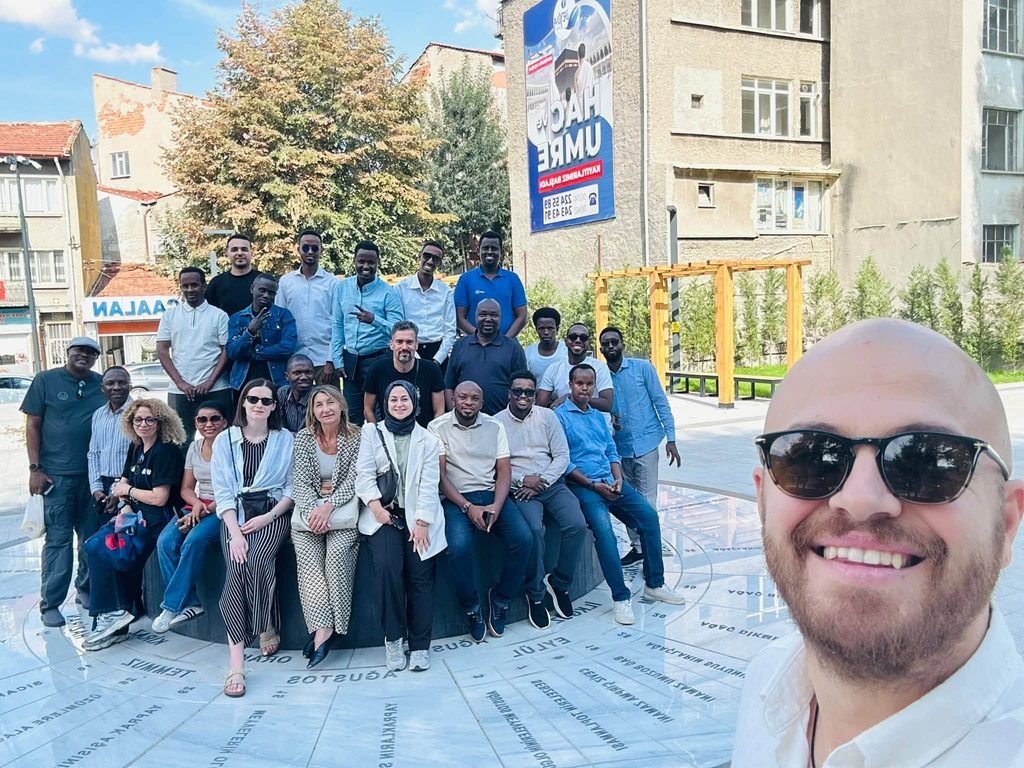
The programme also recognized the importance of cultural exchange in strengthening international partnerships.
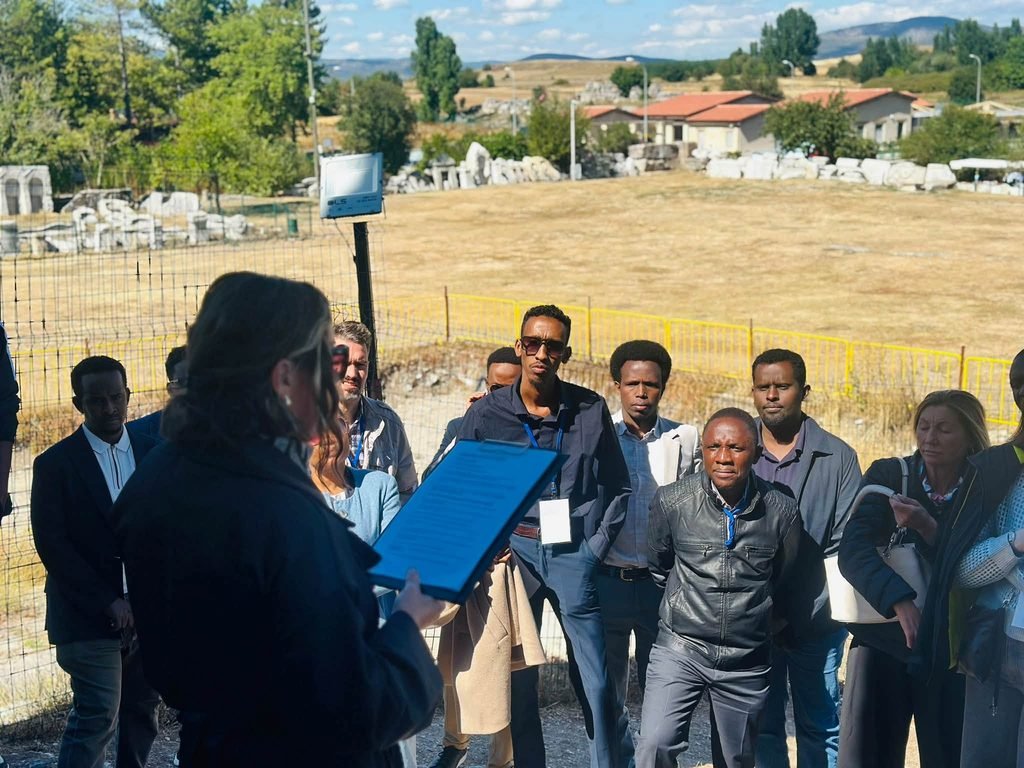
Participants explored Kütahya, experienced its cultural environment, and visited the historic Aizanoi Ancient City. Social activities, including the welcome and gala dinners, provided additional opportunities for participants to build professional relationships and exchange experiences in an informal setting.
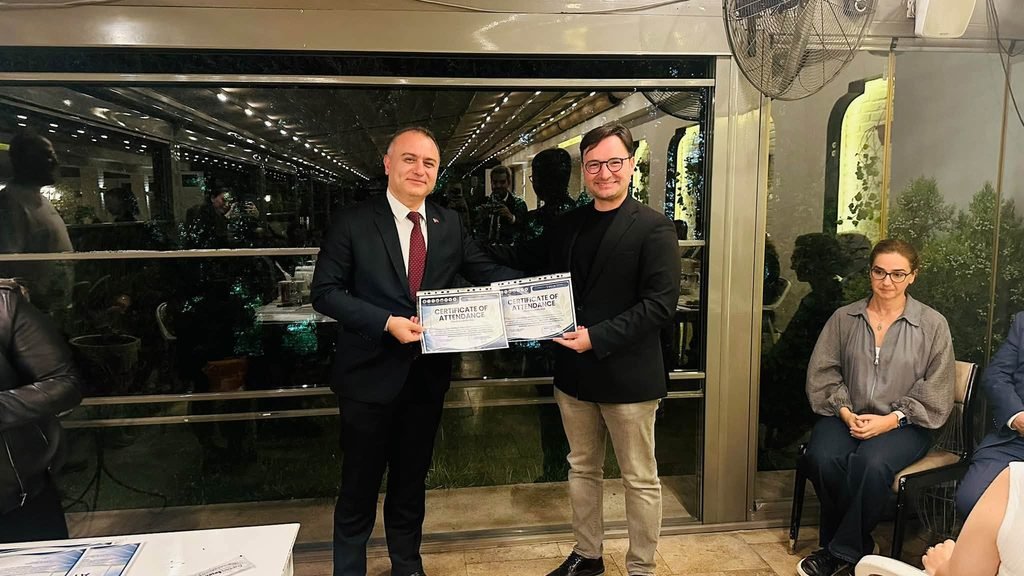
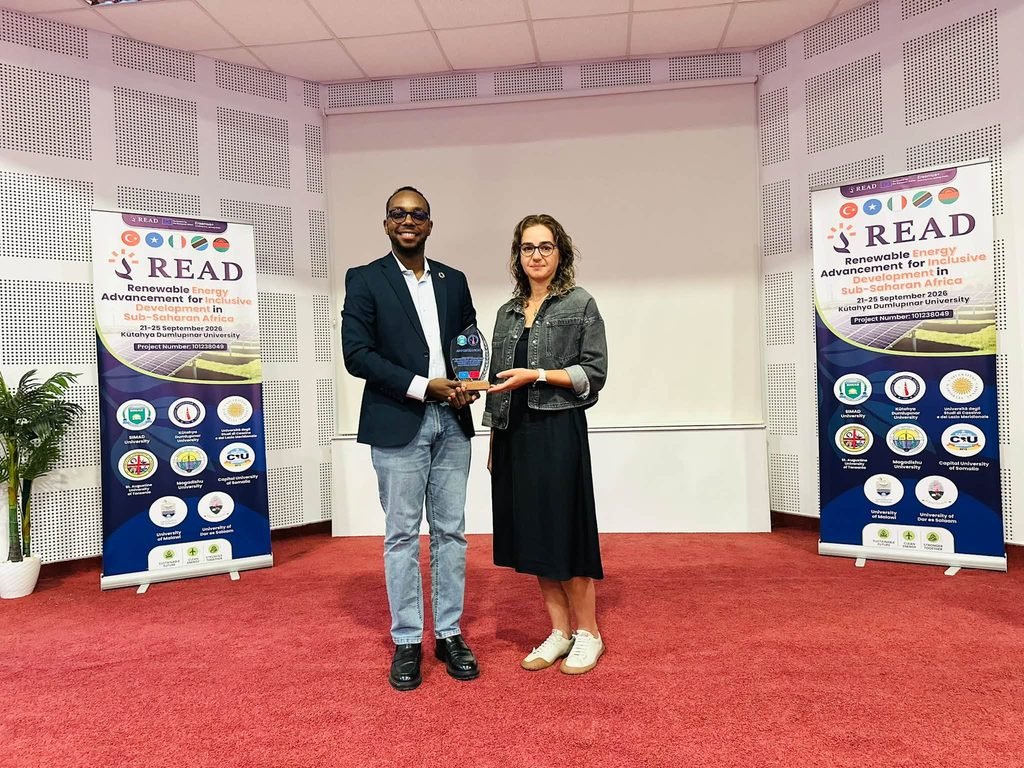
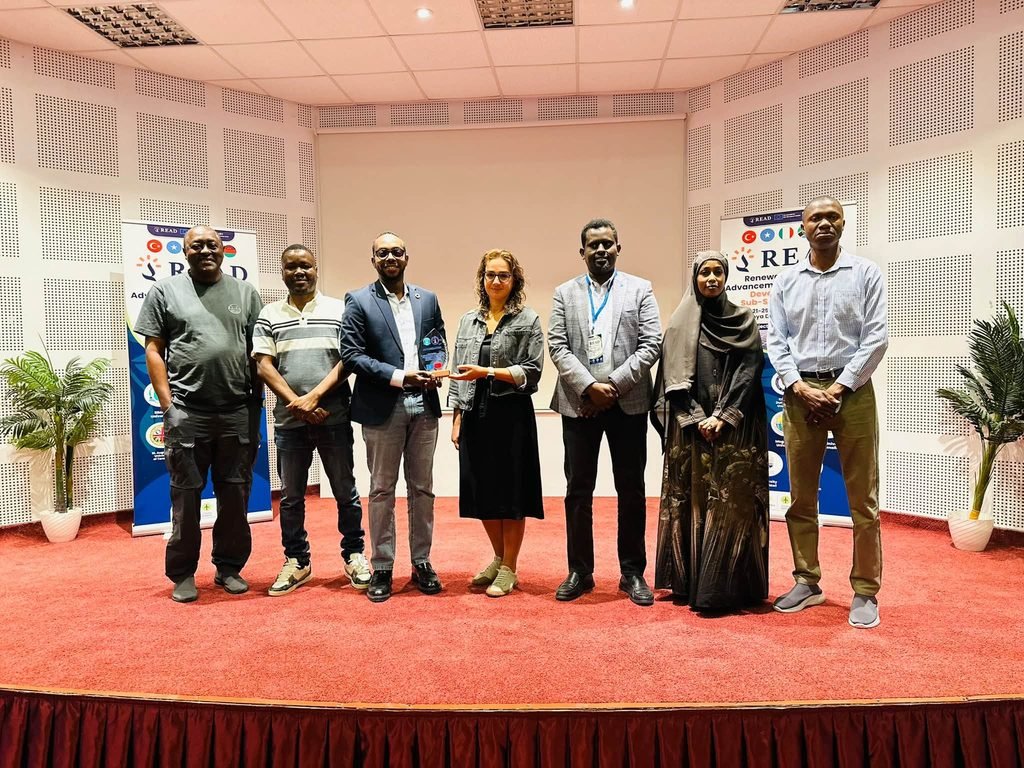
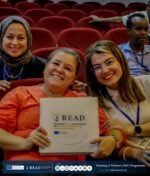
A certification ceremony recognized participants’ successful completion of the programme and marked an important milestone in their preparation to support the next stages of READ implementation.
From Training to Implementation
As the ToT Programme concluded, attention shifted toward translating the acquired knowledge into action at partner universities.
The trained participants are expected to play an important role in supporting the implementation of READ’s renewable energy education and entrepreneurship activities, transferring knowledge to students and other beneficiaries, and contributing to stronger institutional capacity in renewable energy education.
Through these efforts, the READ Project seeks to contribute to a new generation of graduates, professionals, educators, and entrepreneurs who can respond to the renewable energy needs and opportunities of Sub-Saharan Africa.
The five days in Kütahya therefore represented more than a training programme. They strengthened a network of universities working together around a shared objective: advancing renewable energy education, innovation, entrepreneurship, and inclusive development through sustainable academic cooperation.
About the READ Project
The Renewable Energy Advancement for Inclusive Development in Sub-Saharan Africa (READ) Project is co-funded by the European Union through the Erasmus+ Capacity Building in Higher Education programme. The project brings together higher education institutions from Europe and Sub-Saharan Africa to strengthen renewable energy education, institutional capacity, entrepreneurship, and collaboration.
Project: READ – Renewable Energy Advancement for Inclusive Development in Sub-Saharan Africa Programme: Erasmus+ Capacity Building in Higher Education Project Reference: 101238049 ToT Host Institution: Kütahya Dumlupınar University (DPU), Türkiye Programme Dates: 21–25 September 2026