EAD Project Marks Erasmus+ Days 2026 with Renewable Energy Field Visit
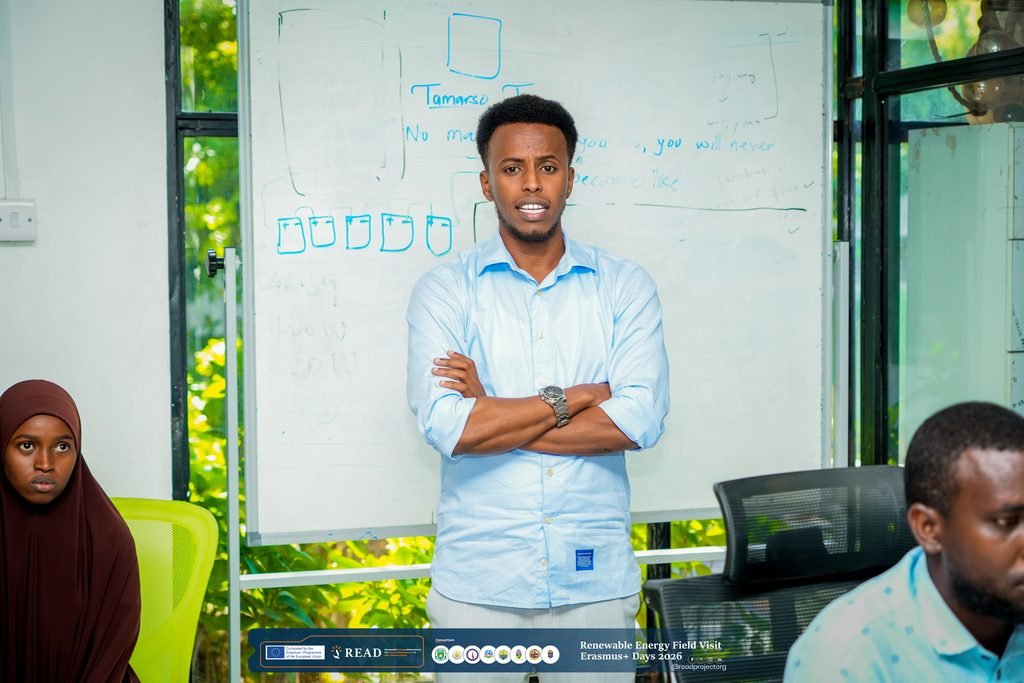
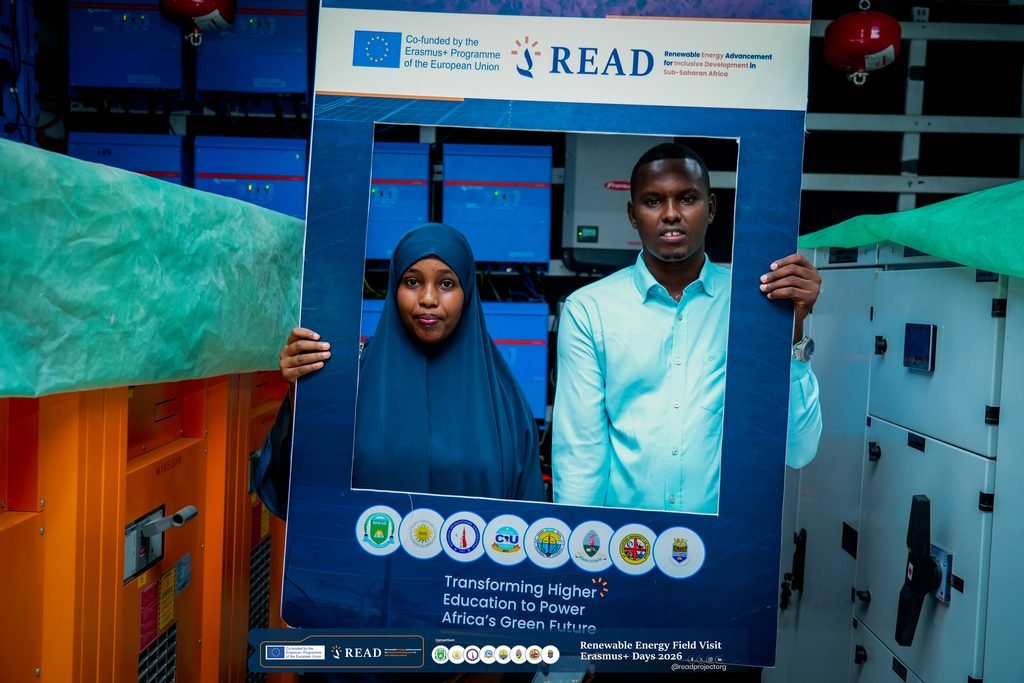
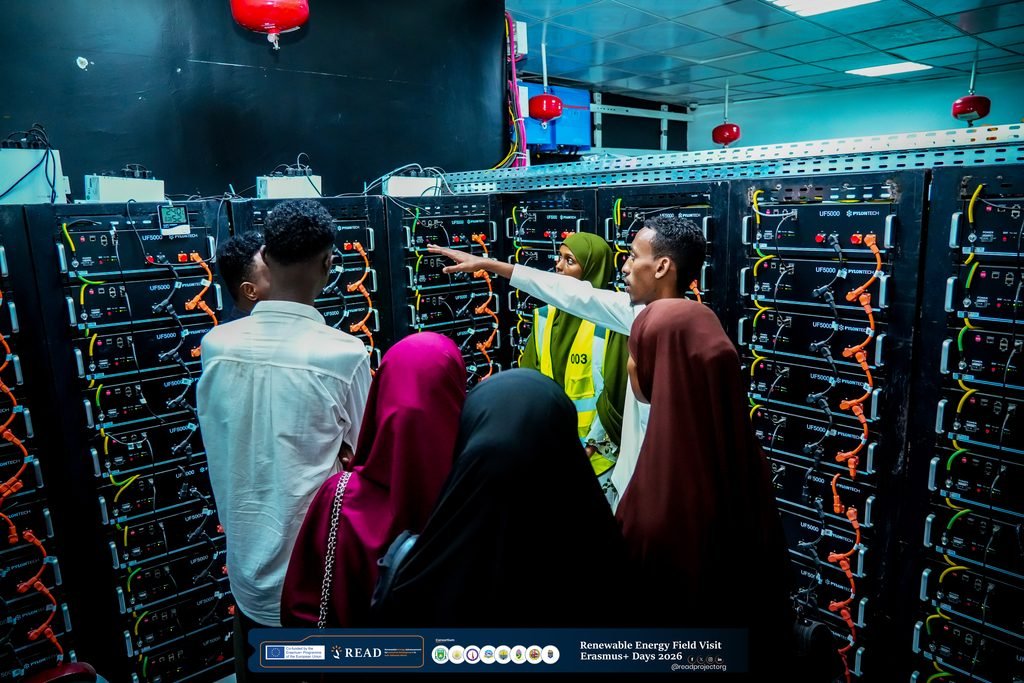
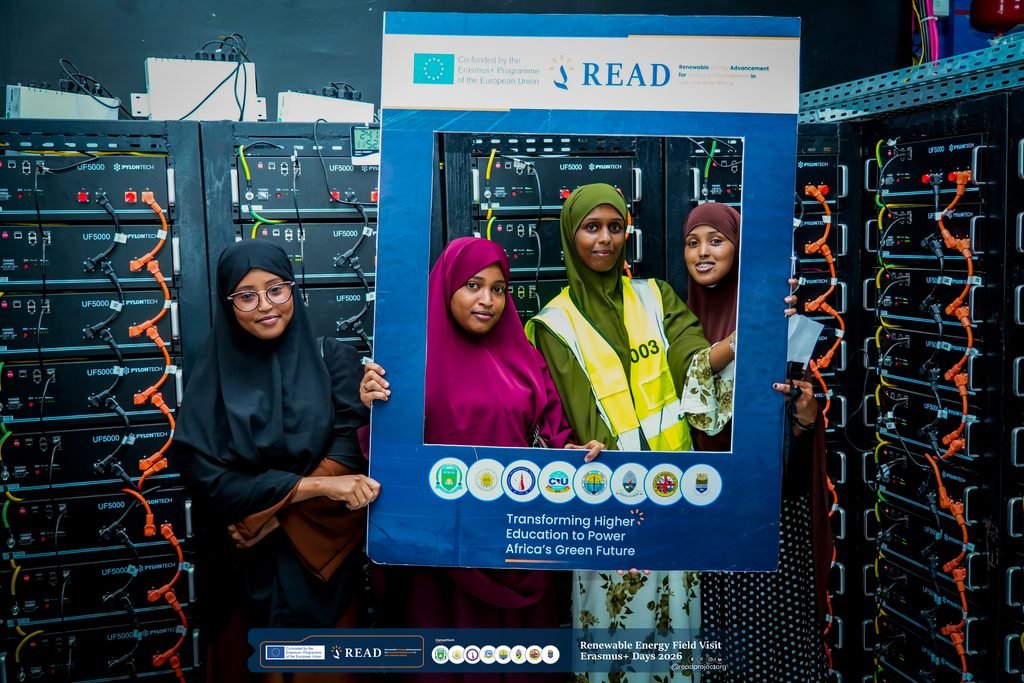
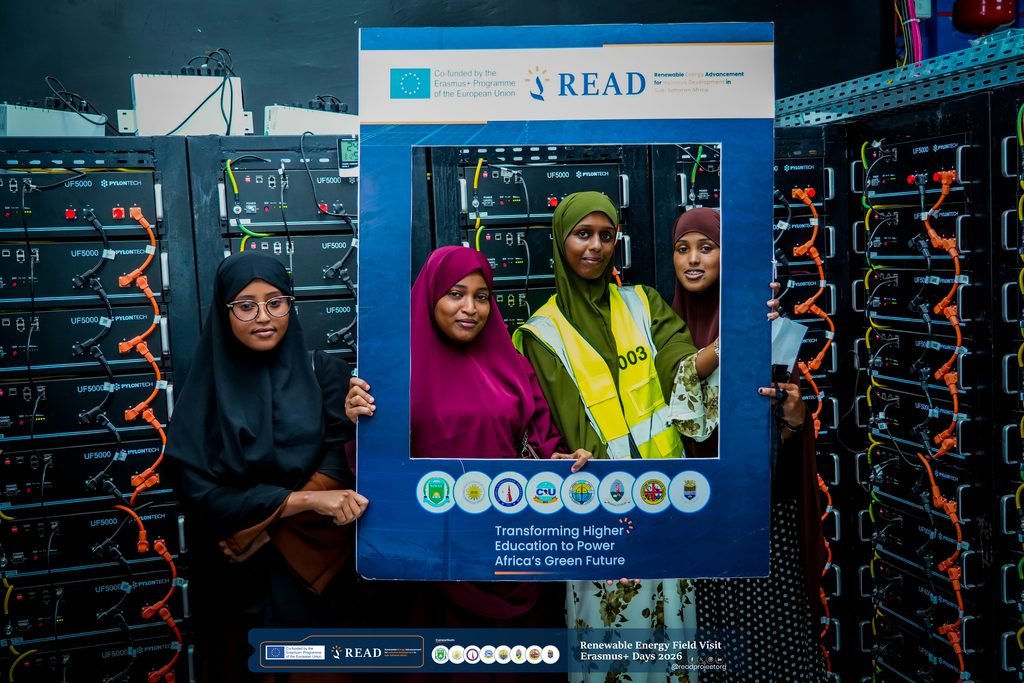
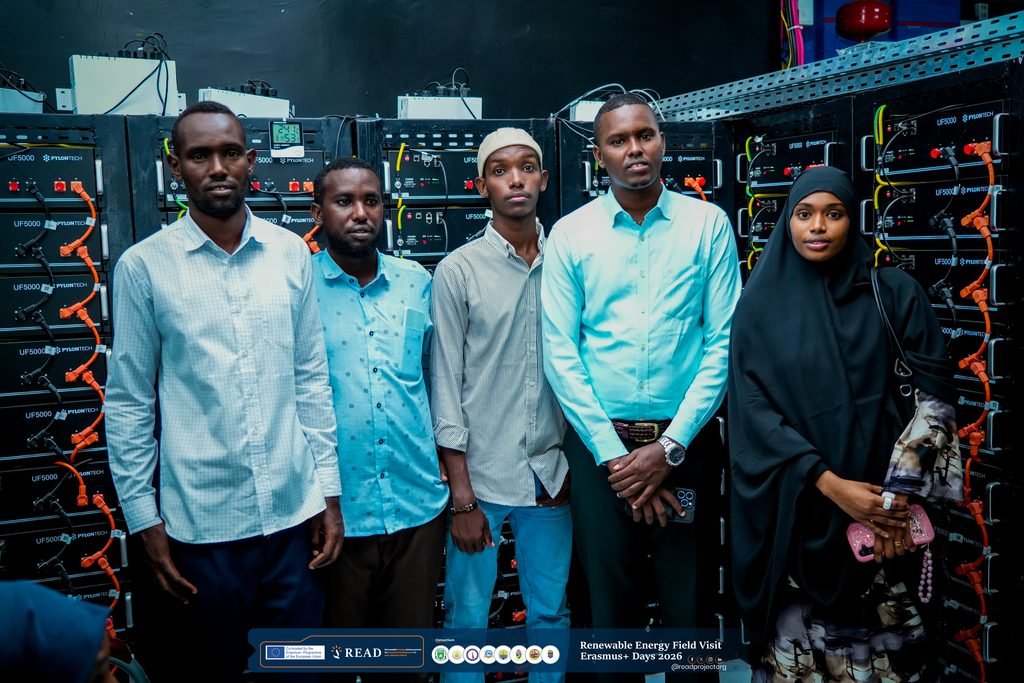
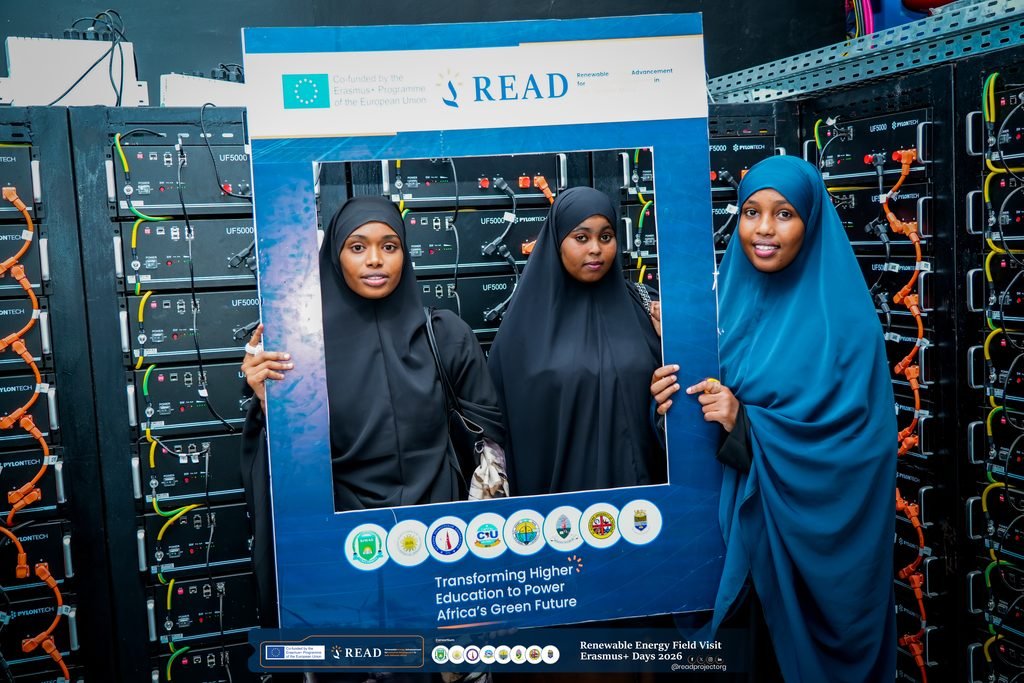
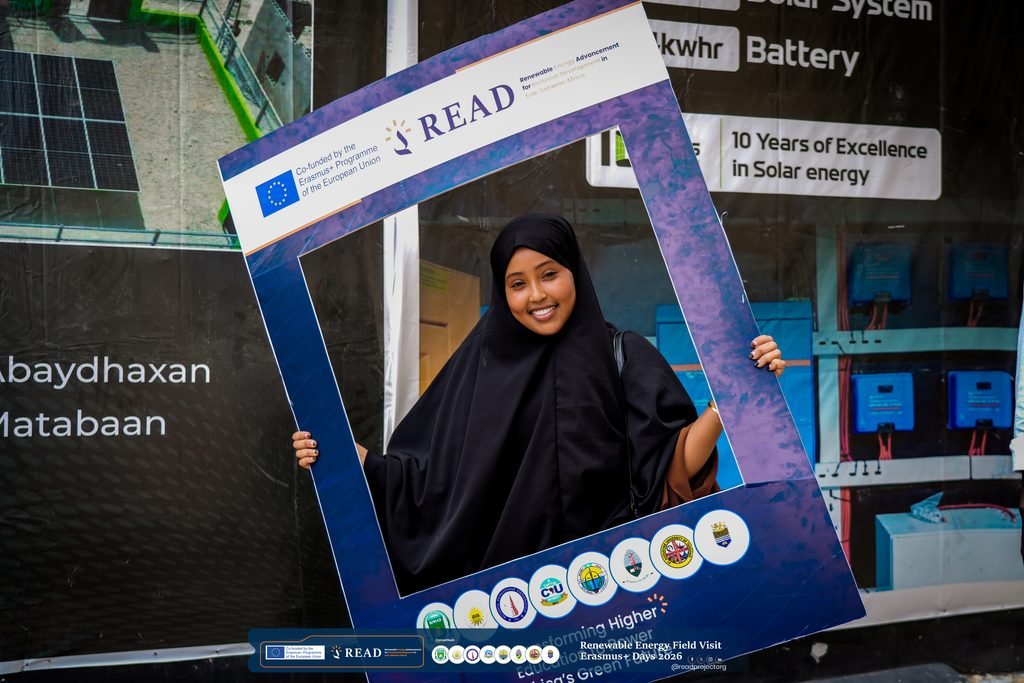
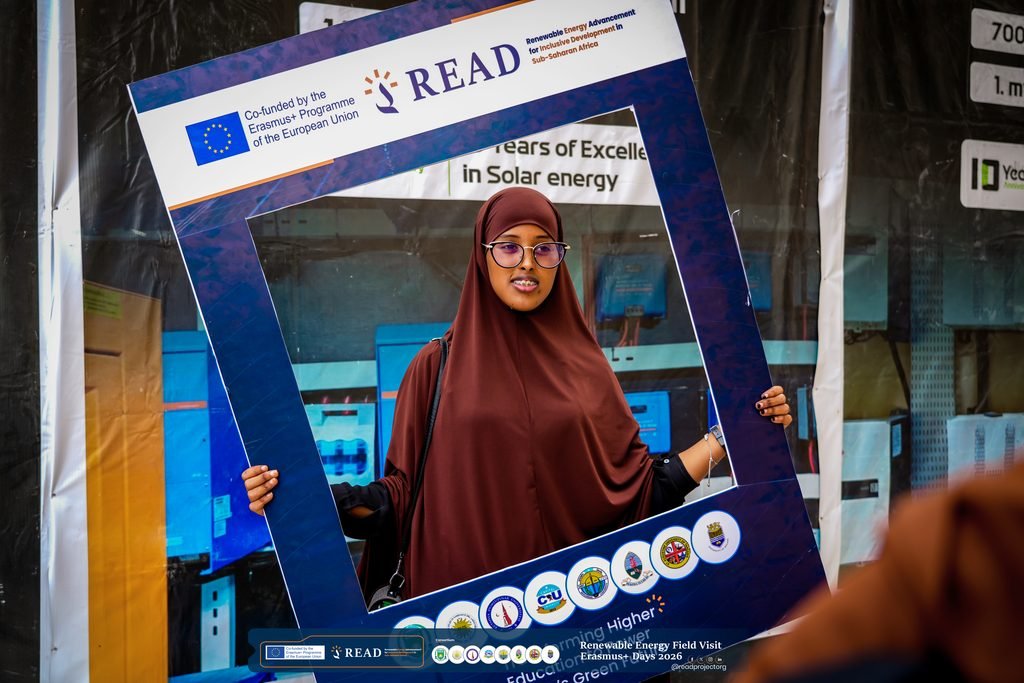
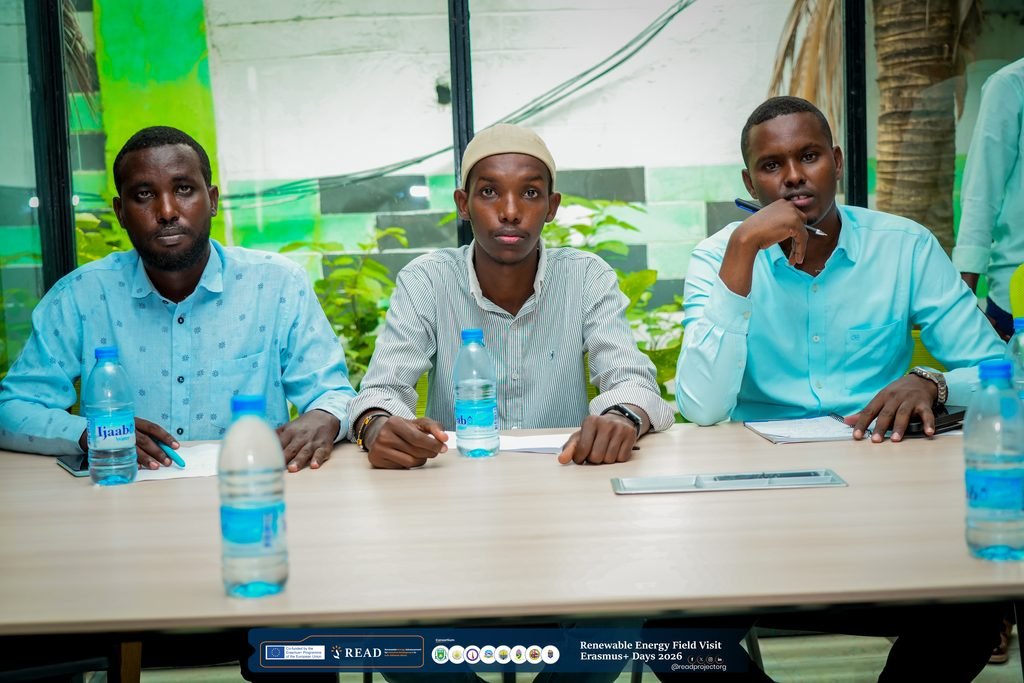
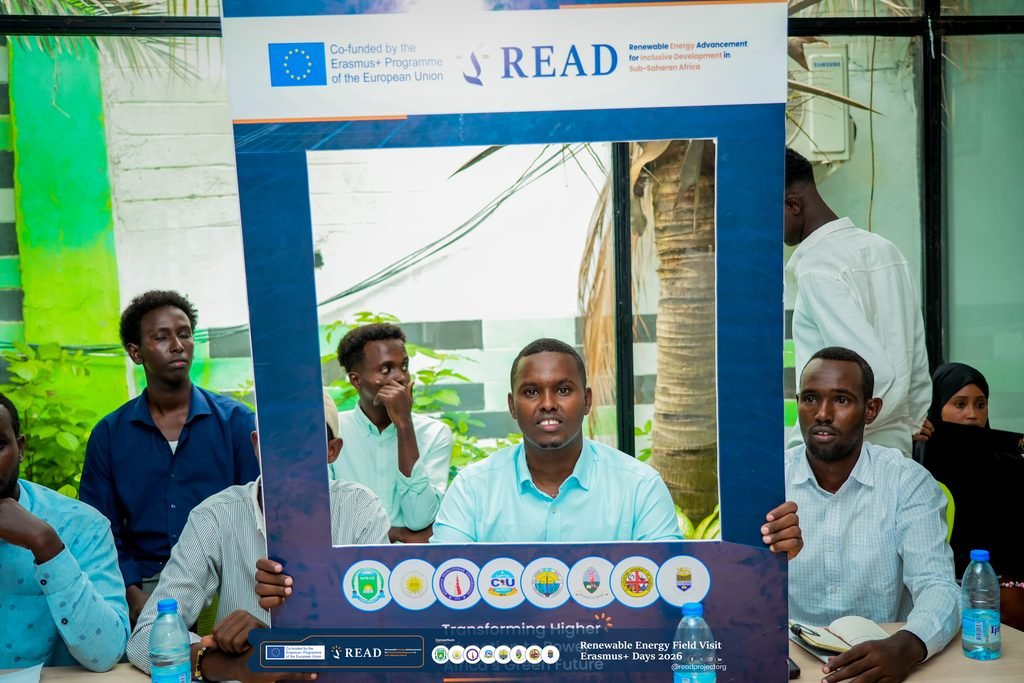
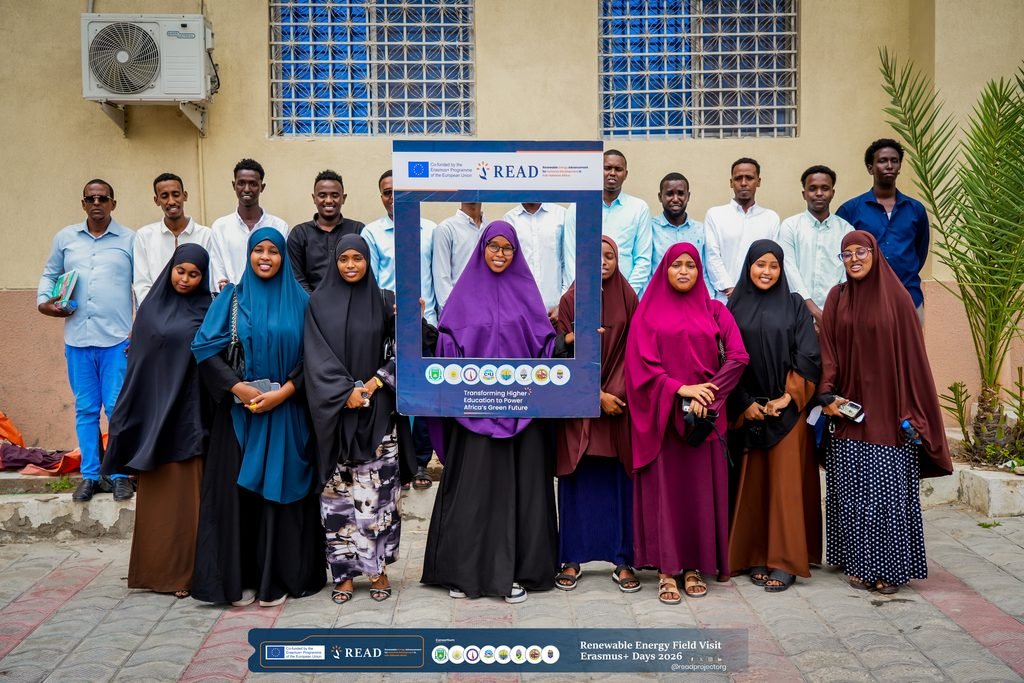
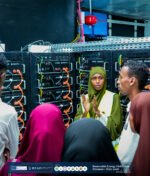
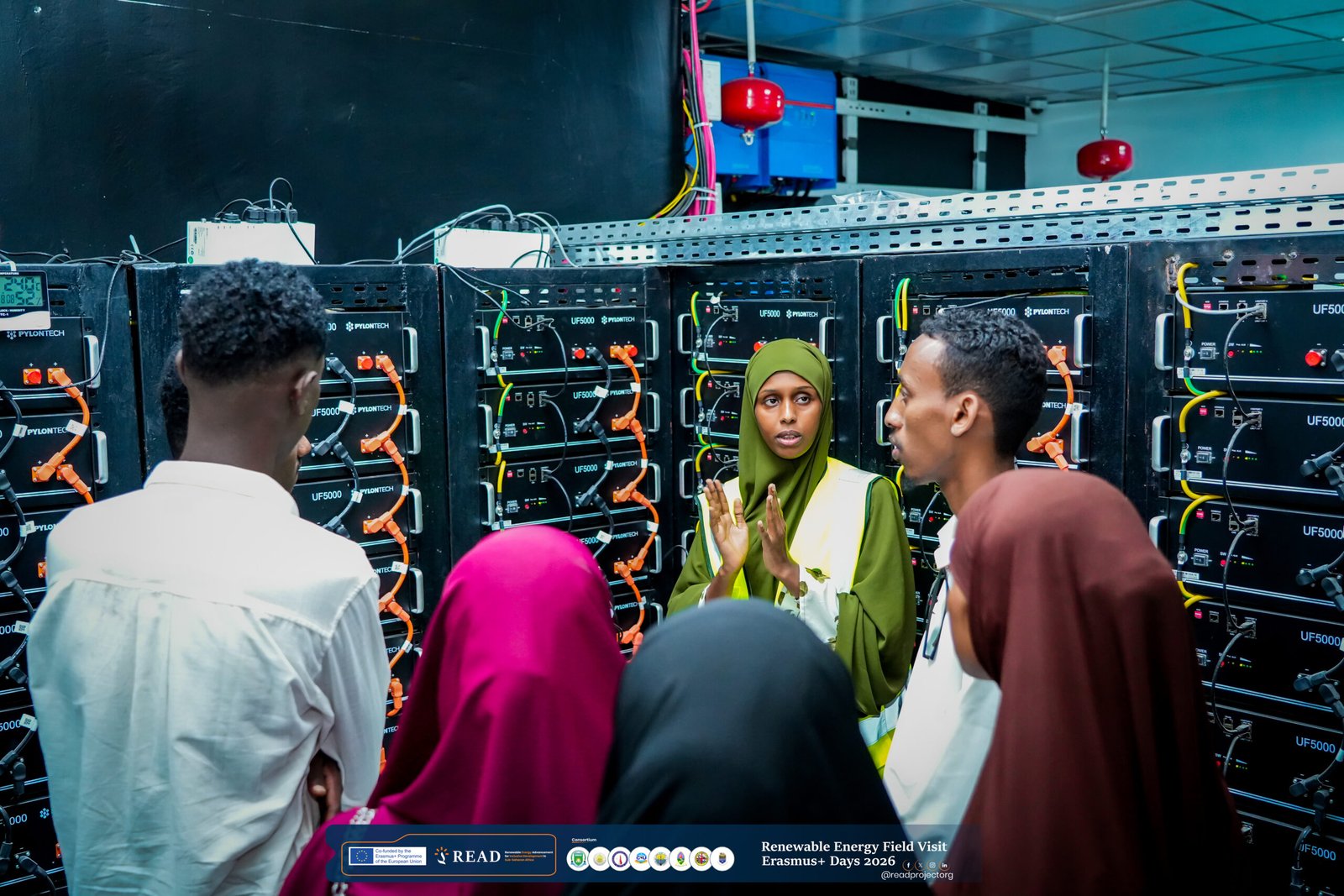
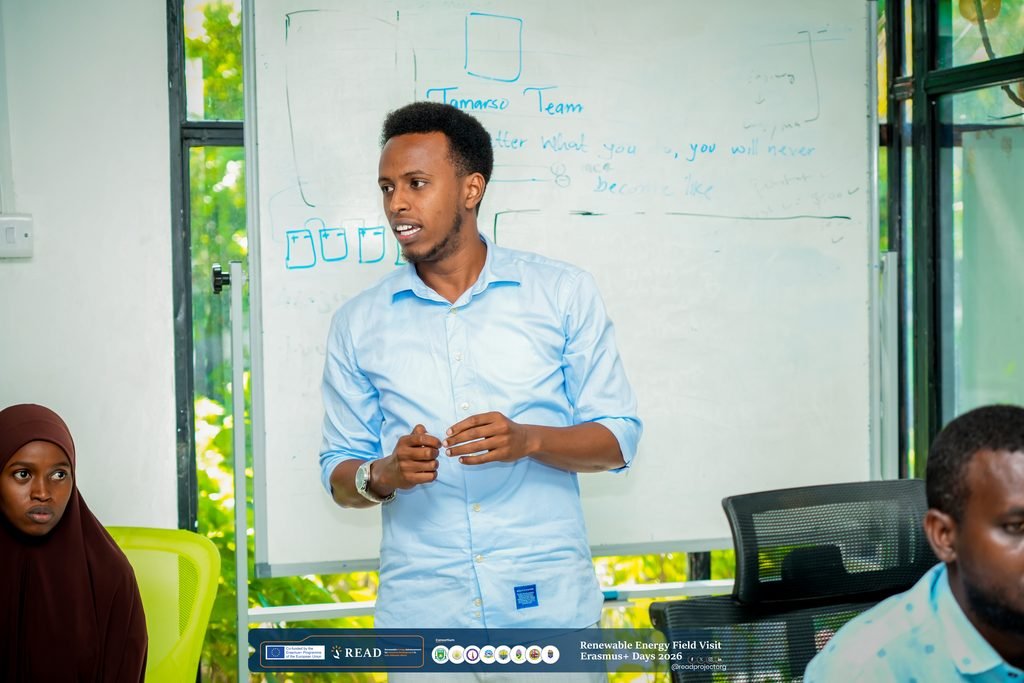
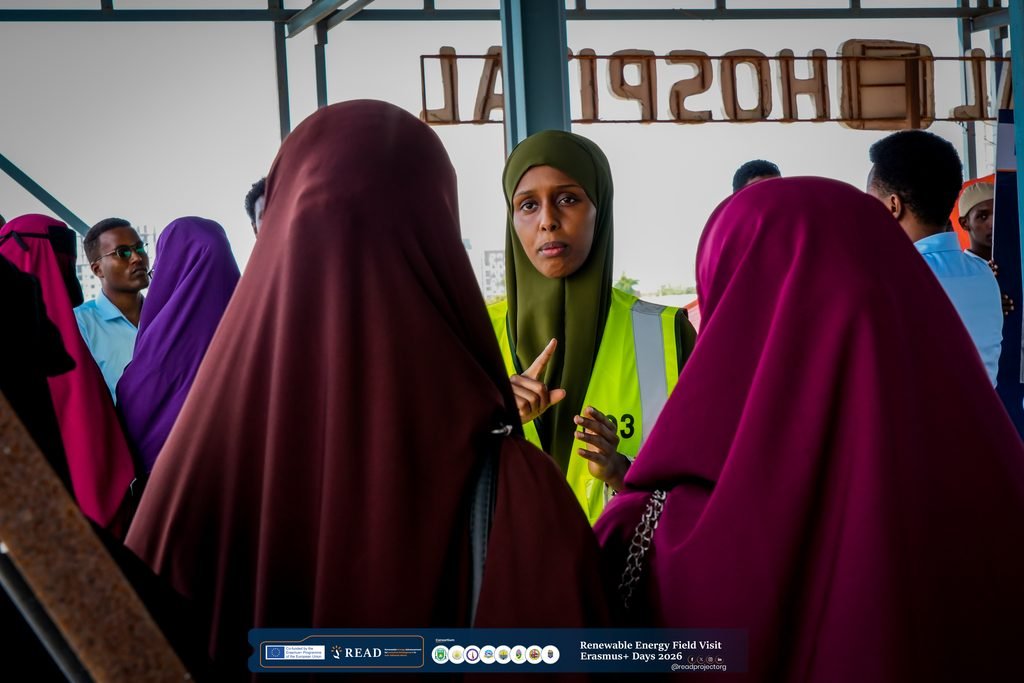
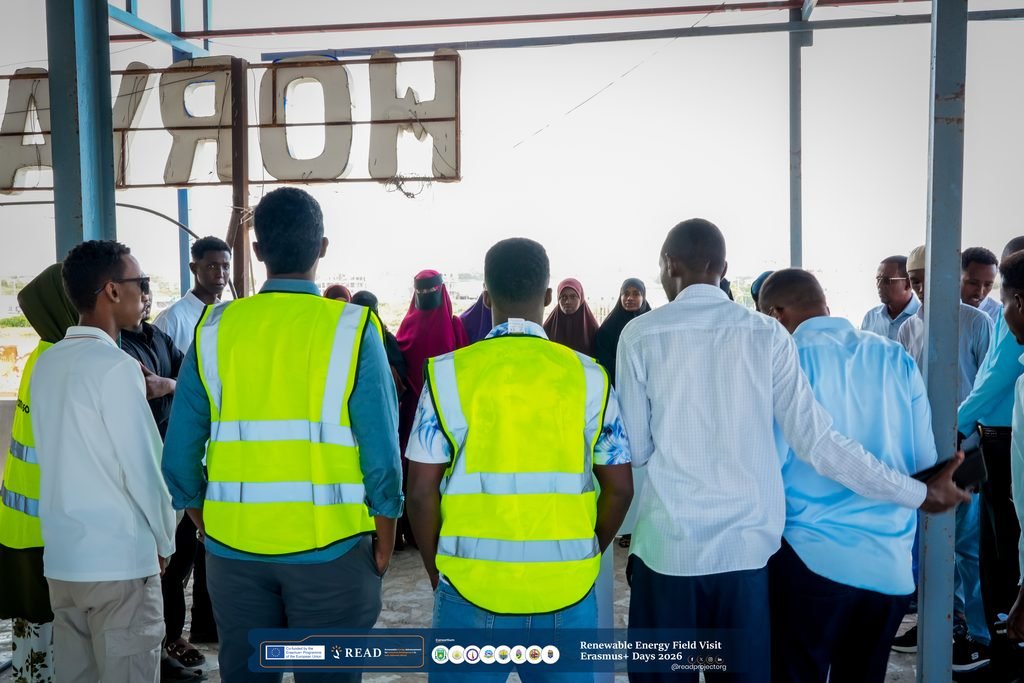
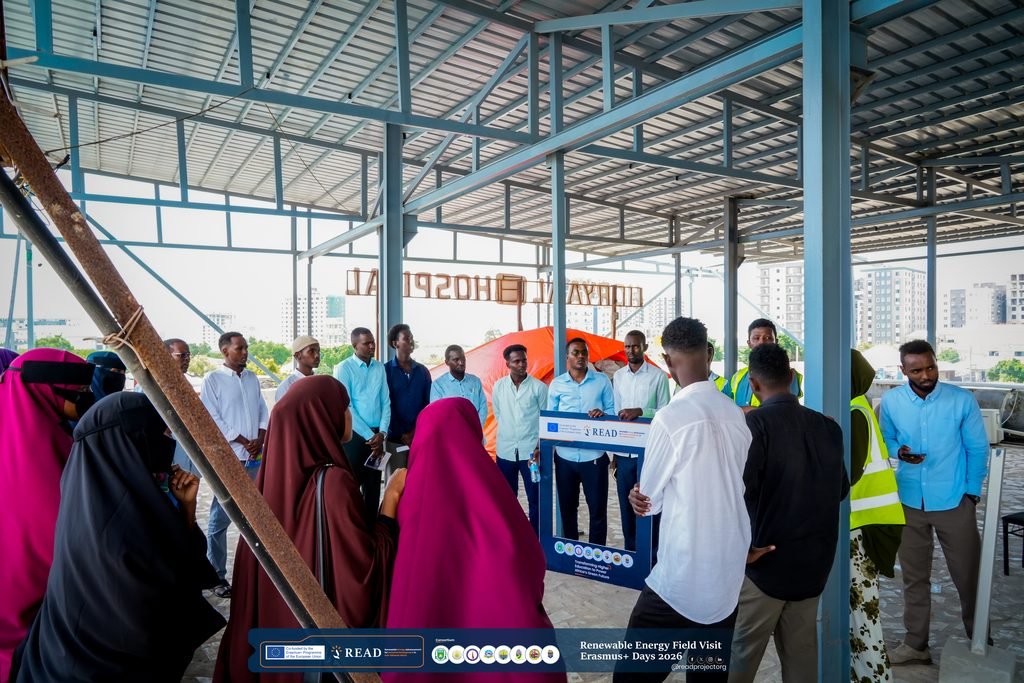
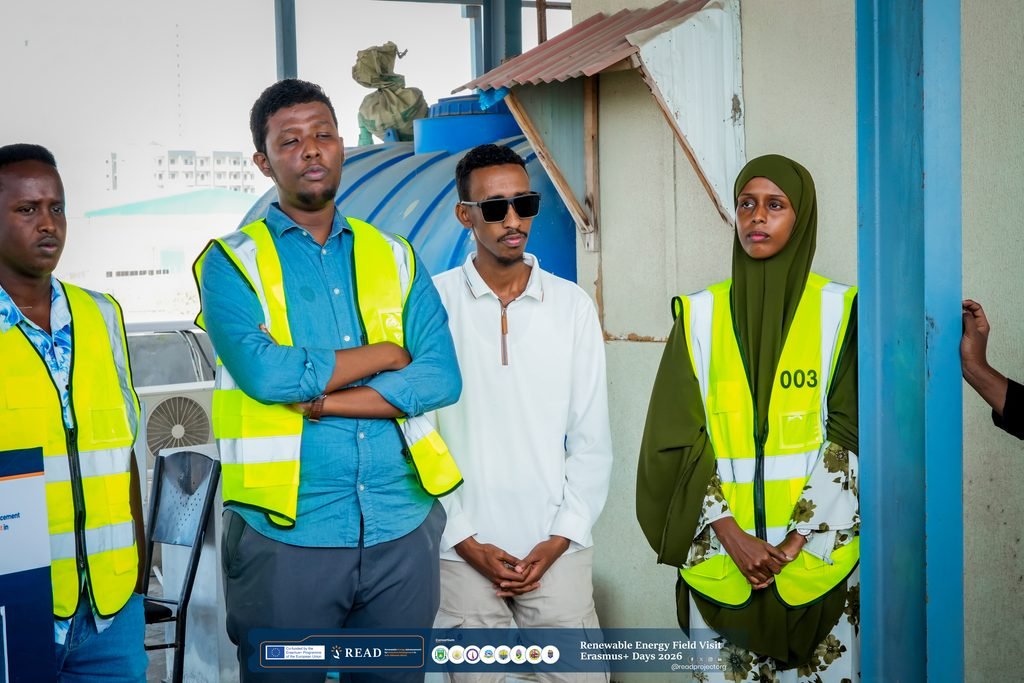
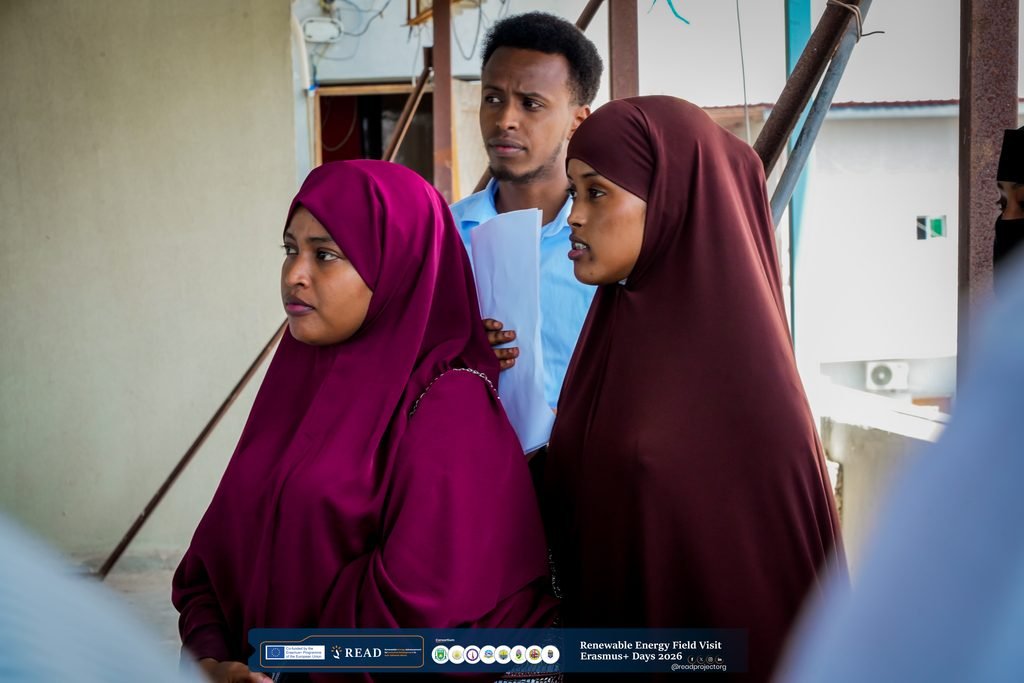
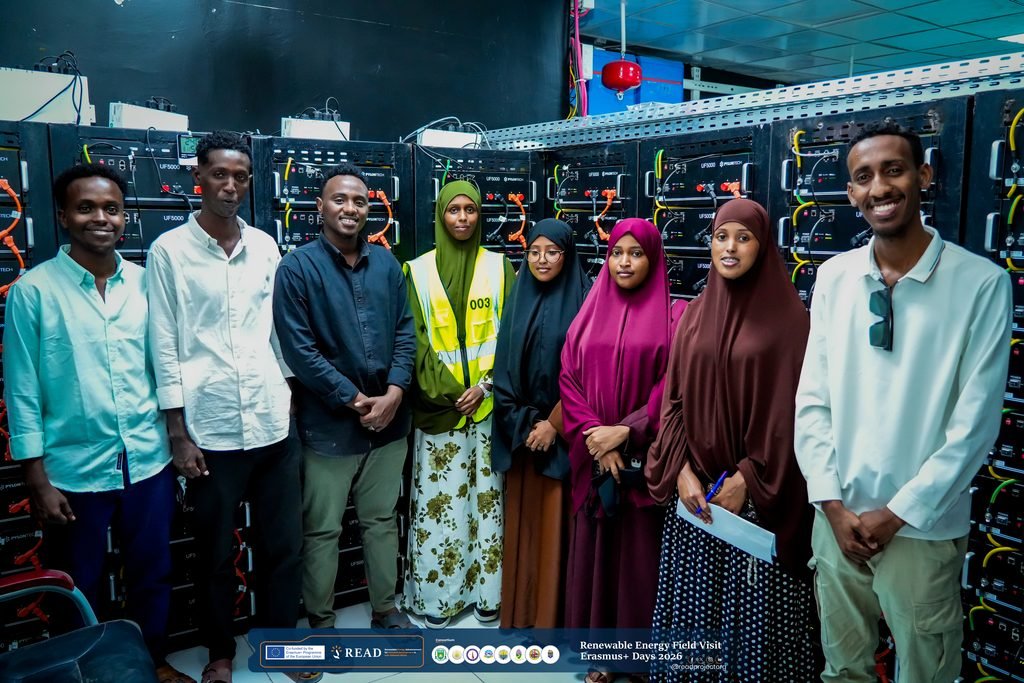
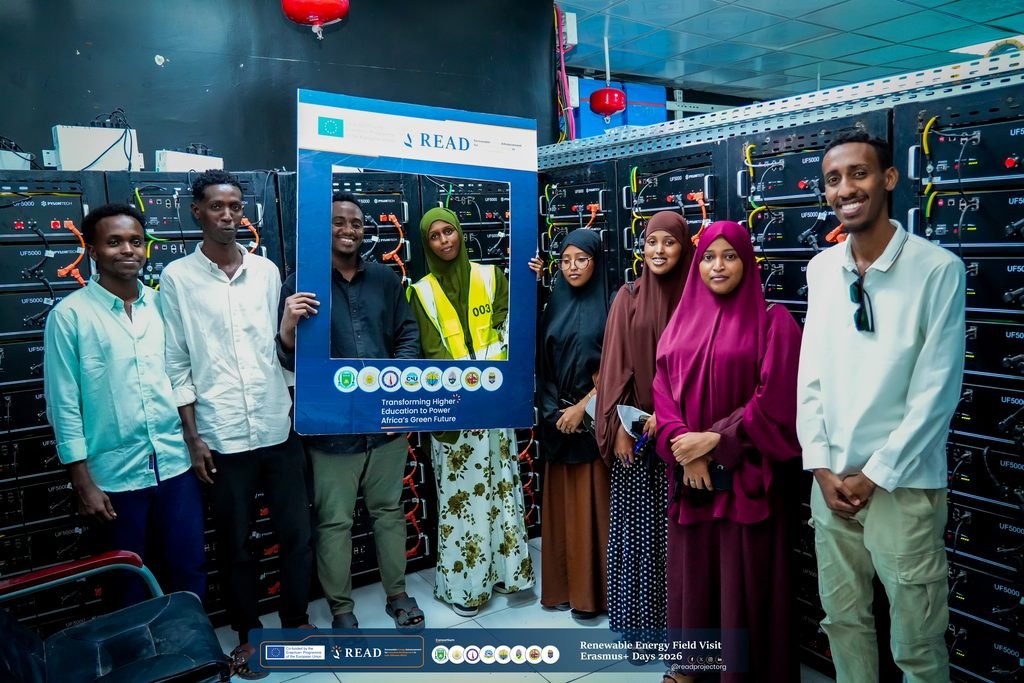
15 October 2026, The READ Project – Renewable Energy Advancement for Inclusive Development in Sub-Saharan Africa marked Erasmus+ Days 2026 with a renewable energy field visit to Tamarsso, providing students with an opportunity to connect academic learning with practical experience in the renewable energy sector.
The activity formed part of READ’s efforts to strengthen the relationship between higher education, practical skills development and the renewable energy industry in Sub-Saharan Africa.
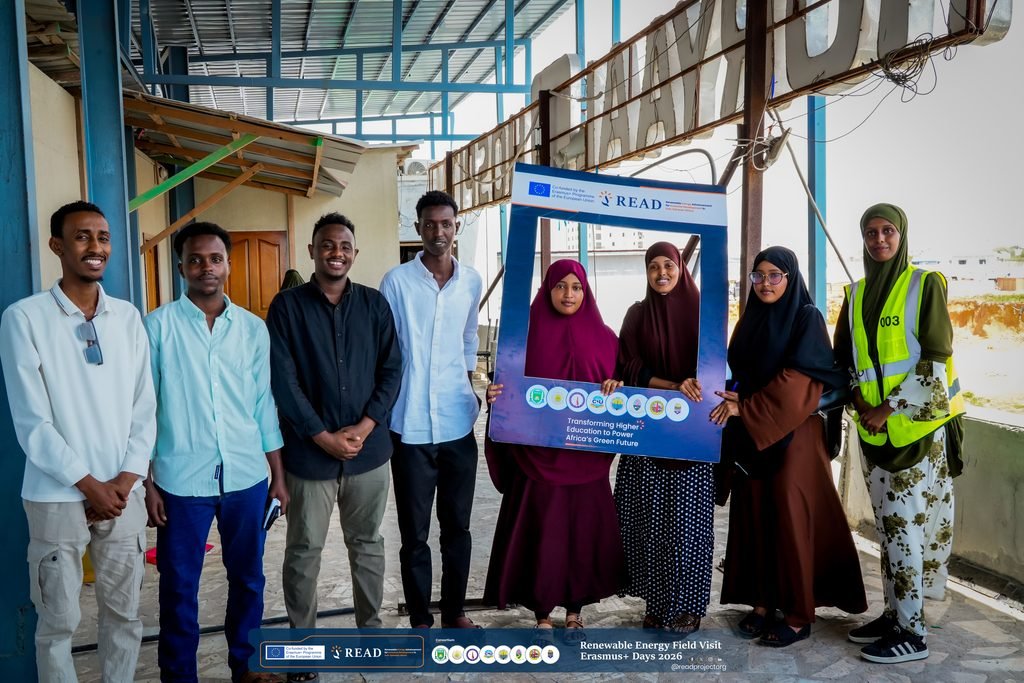
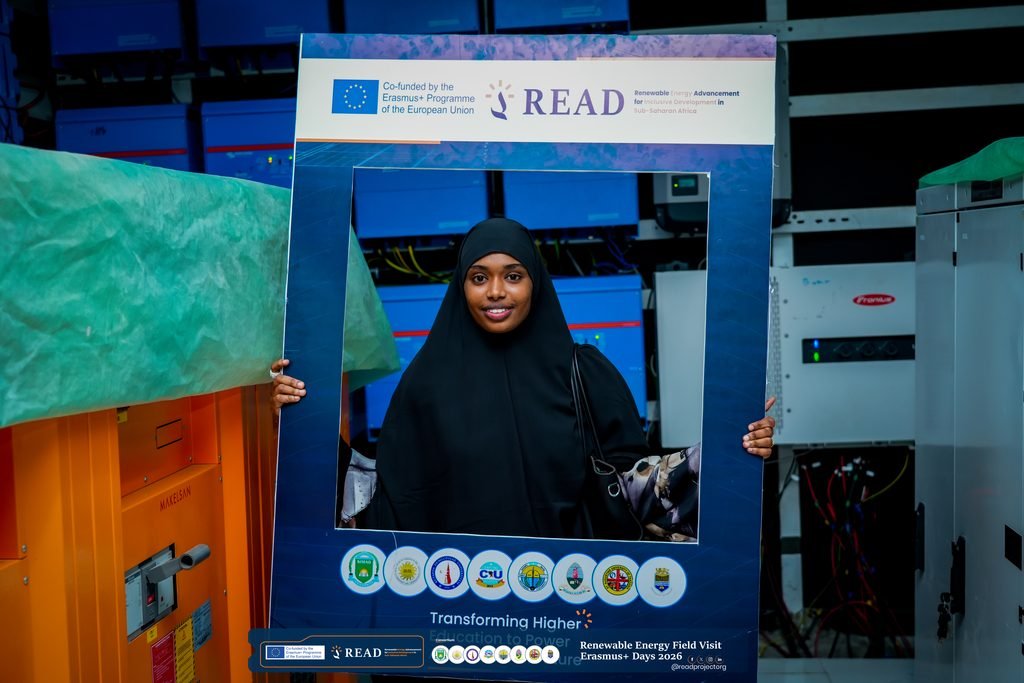
Connecting Classroom Learning with Industry
During the field visit, students gained exposure to renewable energy technologies and their practical applications. The visit also created an opportunity for students to interact with professionals working in the sector and better understand the knowledge and skills required in a real-world renewable energy environment.
Such exposure is particularly important as Sub-Saharan African countries expand their renewable energy ambitions. Developing the sector requires not only investment in technologies and infrastructure, but also a new generation of professionals equipped with relevant technical knowledge, practical skills, innovative thinking and entrepreneurial capacity.
By connecting students with industry, the READ Project seeks to help bridge the gap between what students learn in higher education and the evolving needs of the renewable energy sector.
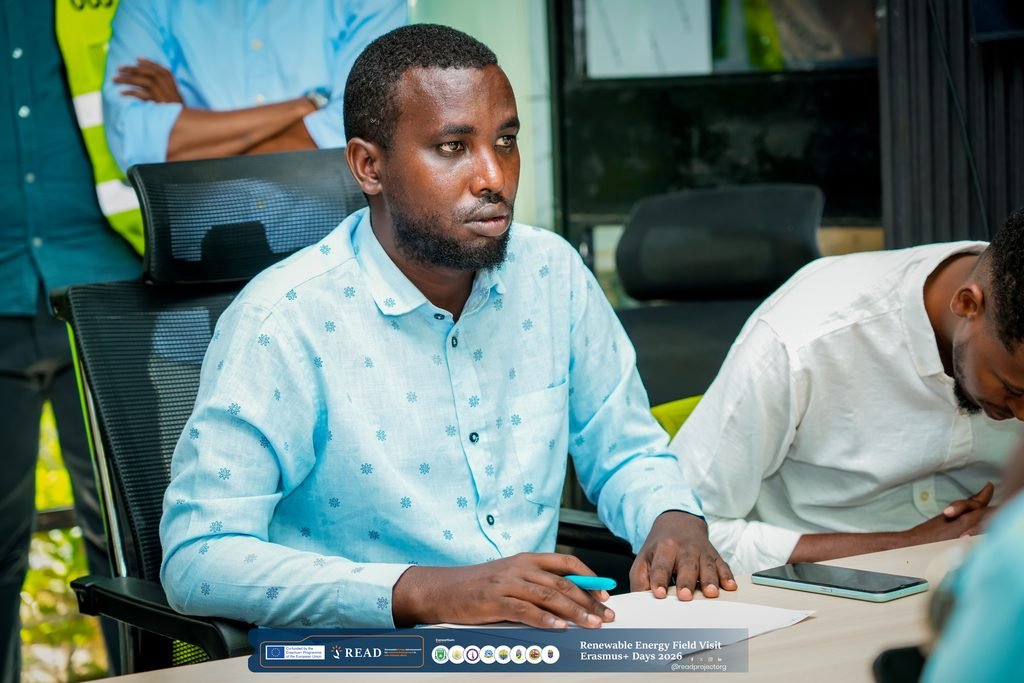
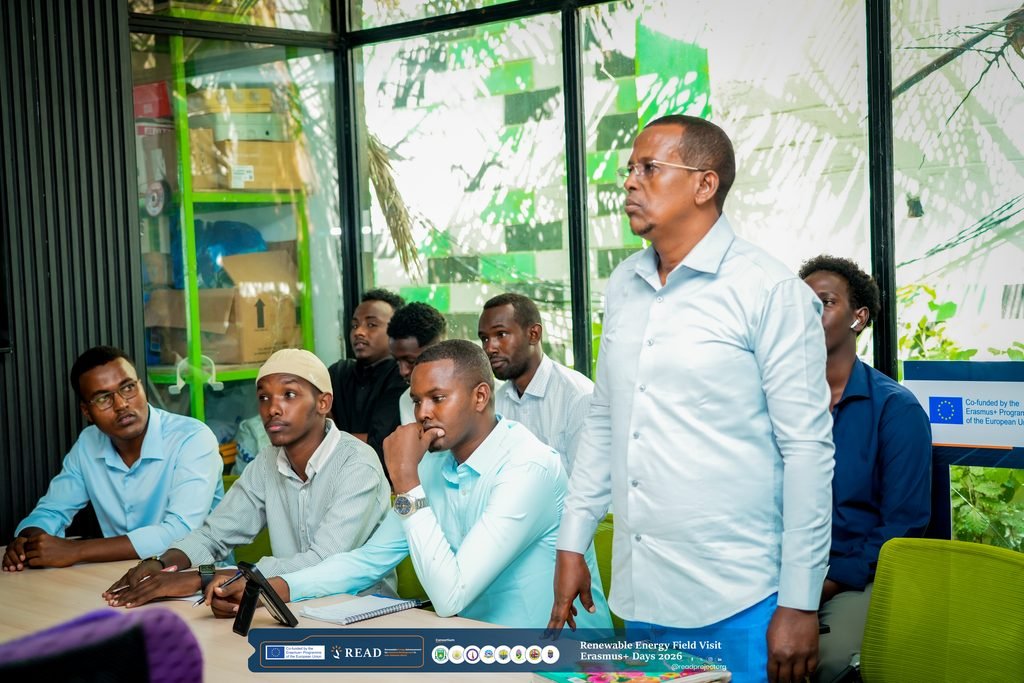
Celebrating Erasmus+ Days 2026
The field visit was organized during Erasmus+ Days 2026, providing an opportunity to highlight the role that Erasmus+ cooperation can play in strengthening higher education and creating opportunities for students.
For READ, Erasmus+ cooperation goes beyond institutional partnerships. It provides a platform for universities to exchange knowledge, strengthen academic capacity, modernize education and create stronger connections between learning and real-world development challenges.
The field visit demonstrated this approach by taking learning beyond the classroom and giving students direct exposure to the renewable energy industry.
Building Skills for Africa’s Renewable Energy Transition
The activity closely aligns with the objectives of the READ Project, an Erasmus+ Capacity Building in Higher Education initiative focused on strengthening renewable energy education and capacity in Sub-Saharan Africa.
READ recognizes that the region’s renewable energy transition will require professionals with diverse capabilities—from technical and engineering knowledge to innovation, business development, investment readiness and entrepreneurship.
Strengthening university–industry connections is therefore an important part of preparing students to understand emerging opportunities and contribute meaningfully to the sector.
The Tamarsso field visit provided a practical example of how academic learning and industry exposure can complement each other in preparing students for this future.
From Classroom to Practice
As READ continues its activities across partner institutions in Sub-Saharan Africa, practical learning and engagement with the renewable energy sector will remain important in ensuring that higher education responds to real-world needs.
By marking Erasmus+ Days 2026 through a practical student activity, READ highlighted a simple but important message:
Africa’s renewable energy transition needs technology and investment, but it also needs skilled, innovative and entrepreneurial young people capable of turning opportunities into sustainable solutions.
READ Project: From classroom to practice, building skills for Africa’s renewable energy future.